Exploring Langhe with kids might not sound like the most obvious choice at first. This region is famous for wine and adult-oriented experiences. But there’s much more to it. Located about an hour’s drive from Turin, the Langhe is surprisingly welcoming for families.
Yes, it’s often seen as a high-end destination. However, with a bit of planning, you can enjoy the Langhe with kids without spending too much. After all, kids don’t drink wine. Jokes aside, in this guide you’ll find the best things to do in the Langhe with kids, including iconic towns like Barolo, Alba, and Bra, plus a special section on the Giant Benches.
Plan Your Langhe Itinerary with Kids
A simple idea is to arrive in Turin by train or plane, spend one day exploring the city, and then rent a car for a one- or two-day Langhe itinerary with kids.
If you don’t have a car, it’s still possible to get there by train along the Turin–Bra–Alba line. Schedules vary depending on the day and season, so always check the latest updates.
We often use DiscoverCars to rent a car, as it compares prices across major companies. Search for your rental car in Turin.
If you’re looking for places to stay, consider family-friendly accommodations in the Langhe.
Things to Do in the Langhe with Kids
Among the best places to visit in Piedmont with children, we truly recommend the Langhe. Instead of following the classic winery tour route, we changed perspective and planned a trip that works for both adults and kids.
Let’s be honest: we still had a plate of tajarin with truffle. Luckily, our kids are great food lovers. They enjoyed tajarin with ragù and plin with butter and sage. And yes, we also toasted with a bottle of Barolo.
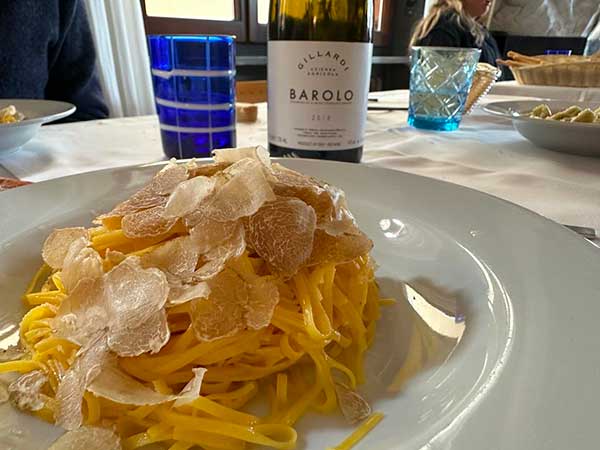
We had lunch at a local trattoria (Cantinetta, via Roma 33): truffle and wine are small luxuries, but everything else is affordable. The homemade pasta and breadsticks from a nearby bakery in Bra are delicious.
Discovering the Langhe with kids is a great opportunity. To make children happy, we found new activities, new places, and new ways to experience familiar destinations.
It’s also a strong reminder: you don’t need to take a plane to have meaningful travel experiences. Beauty is often closer than we think.
We organized several day trips from Turin, but an even better option is staying overnight in the Langhe. Especially in summer and fall, when the landscape is more colorful and kids can move freely in nature.
What to See in the Langhe Between Asti and Cuneo
The Langhe is a relatively compact area located between the provinces of Cuneo and Asti. In past decades, many young people left for big cities or abroad.
In recent years, however, the Langhe has made a strong comeback by focusing on its greatest asset: the land. Local products like wine and truffles, along with stunning landscapes, have driven a revival recognized worldwide. The Langhe is now a UNESCO World Heritage Site.
If you’re planning a longer trip, you can also read our complete guide to things to do in the Langhe, with villages, wineries, and itineraries for one, two, or three days.
Here are our 10 + 3 things to do in the Langhe with kids: outdoor experiences perfect for exploring the area and indoor activities ideal for bad weather days.
Barolo with Kids: Must-See Attractions
First tip: if you’re in the Langhe, stop in Barolo. Even a short visit lets you experience the true essence of the region.
The Barolo Chapel
When you walk along the short path that gently climbs the hill near La Morra and suddenly find yourself in front of a burst of color standing out against the green (or the browns of autumn, or the white of snow), the effect is guaranteed: WOW.
The Chapel of SS. Madonna delle Grazie, now known as the Barolo Chapel, is probably the most colorful church in Italy.
The Barolo Chapel leaves no one indifferent and makes a strong impression on children as well, thanks to its bright, unconventional colors. For example, we had never seen anything like it before.
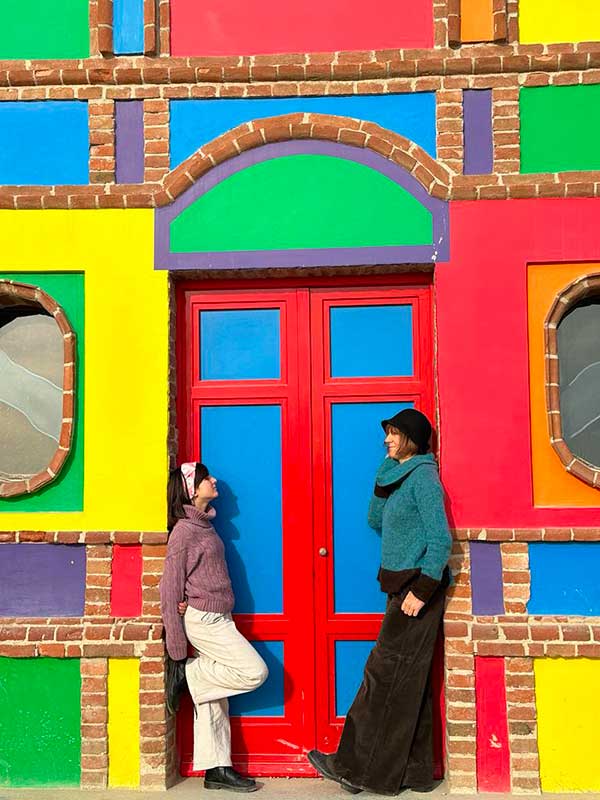
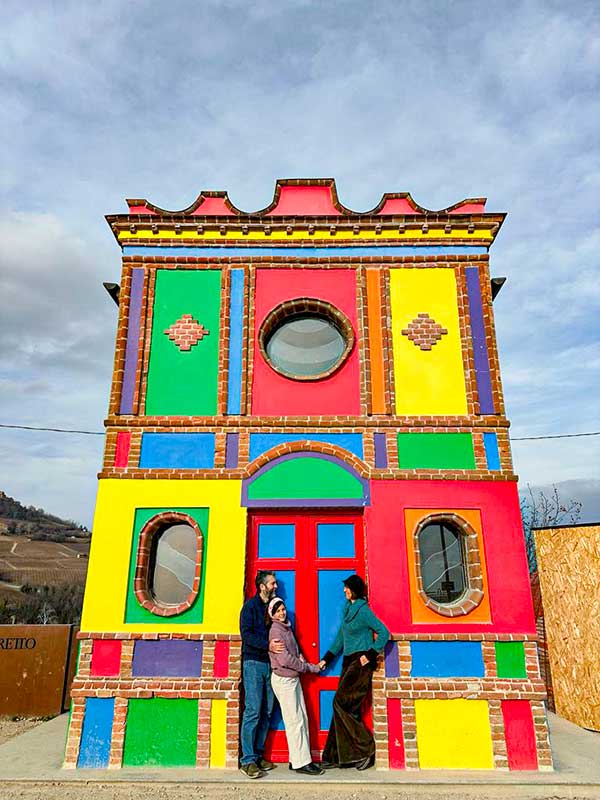
Despite its name, it has never been consecrated. Built in 1914 as a shelter for vineyard workers, it had fallen into ruin until, in 1999, artists Sol LeWitt and David Tremlett brought it back to life, transforming it into an open-air contemporary artwork.
The classic photo here is almost mandatory. To reach it easily, here are the coordinates: 44°37’41.312″N – 7°56’41.824″E.
The chapel cannot be visited inside because it is closed, but it can always be reached from the outside, as it is located along a public road.
The WiMu – Wine Museum
In this guide to what to see in the Langhe with kids, we begin with a museum that perfectly represents the spirit of the region. The Langhe is the kingdom of wine, especially Barolo, but that doesn’t mean it’s a world reserved only for adults.
At the WiMu – Wine Museum, you’ll find a multimedia, engaging, and interactive exhibition that captures the attention of children as well. It tells the story of Barolo Castle and wine through art, music, poetry, and local traditions.
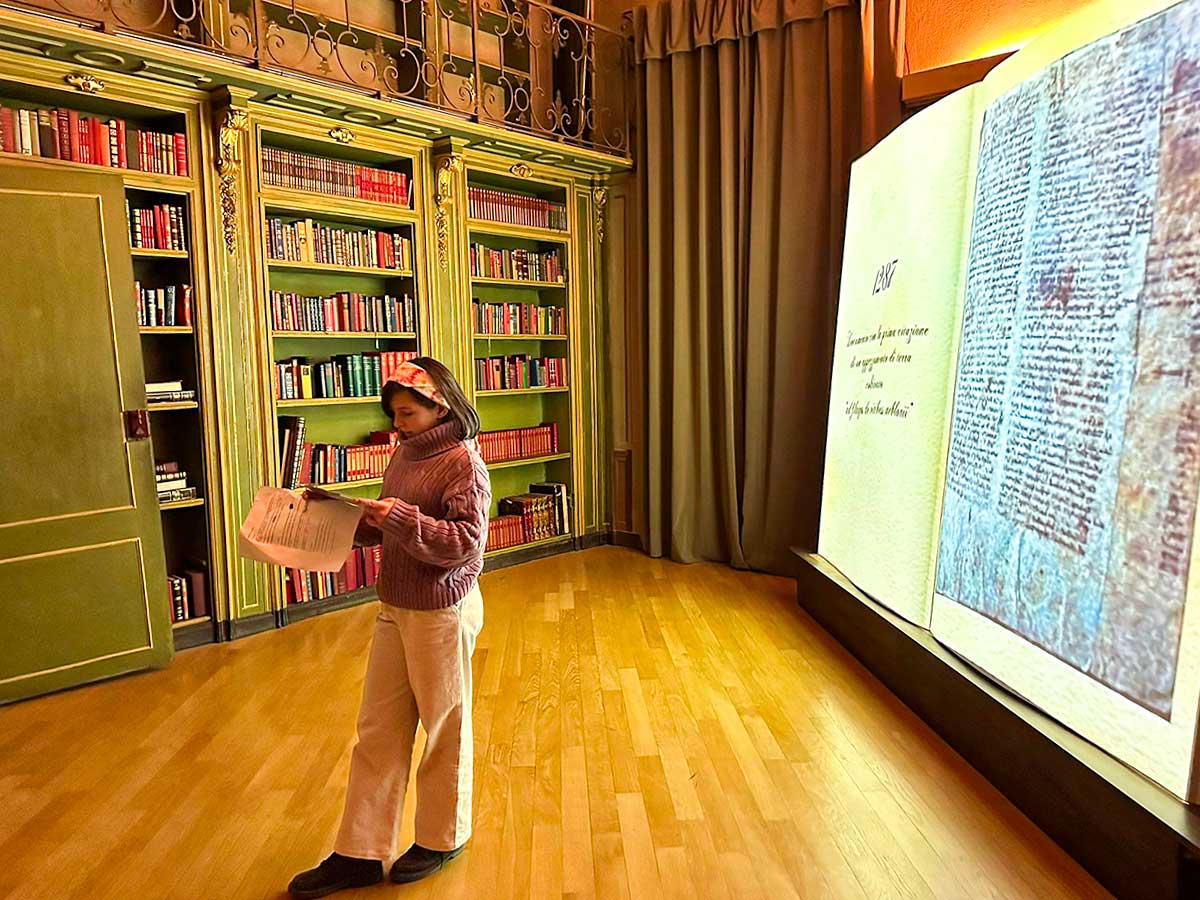
At the entrance, pick up the “Esploramuseo” kit: games and quizzes accompany the visit and turn children into certified explorers.
With “WiMu for Families,” on the first Sunday of every month, there are activities specifically designed for families: the Family Visit, guided and adapted for children, and the Family Game, a self-guided experience with a game kit provided at the entrance.
If you want to learn more, read our full experience at WiMu with kids.
The Coazzolo Chapel
We also really loved the stop at the small chapel in Coazzolo, overlooking the vineyards and accompanied by a scenic bench. We are in the province of Asti, although here borders are fluid and Langhe, Roero, and Monferrato constantly meet and overlap.
The Chapel of the Blessed Virgin Mary of Mount Carmel was painted by British artist David Tremlett, who chose a palette of three clearly recognizable colors: sienna for the main structure, yellow for the porticoed entrance, and olive green for the base and sacristy.
In this case as well, the church cannot be visited inside, but can only be seen from the outside. However, this does not diminish its visual impact: the bright colors make it a perfect stop for children too.
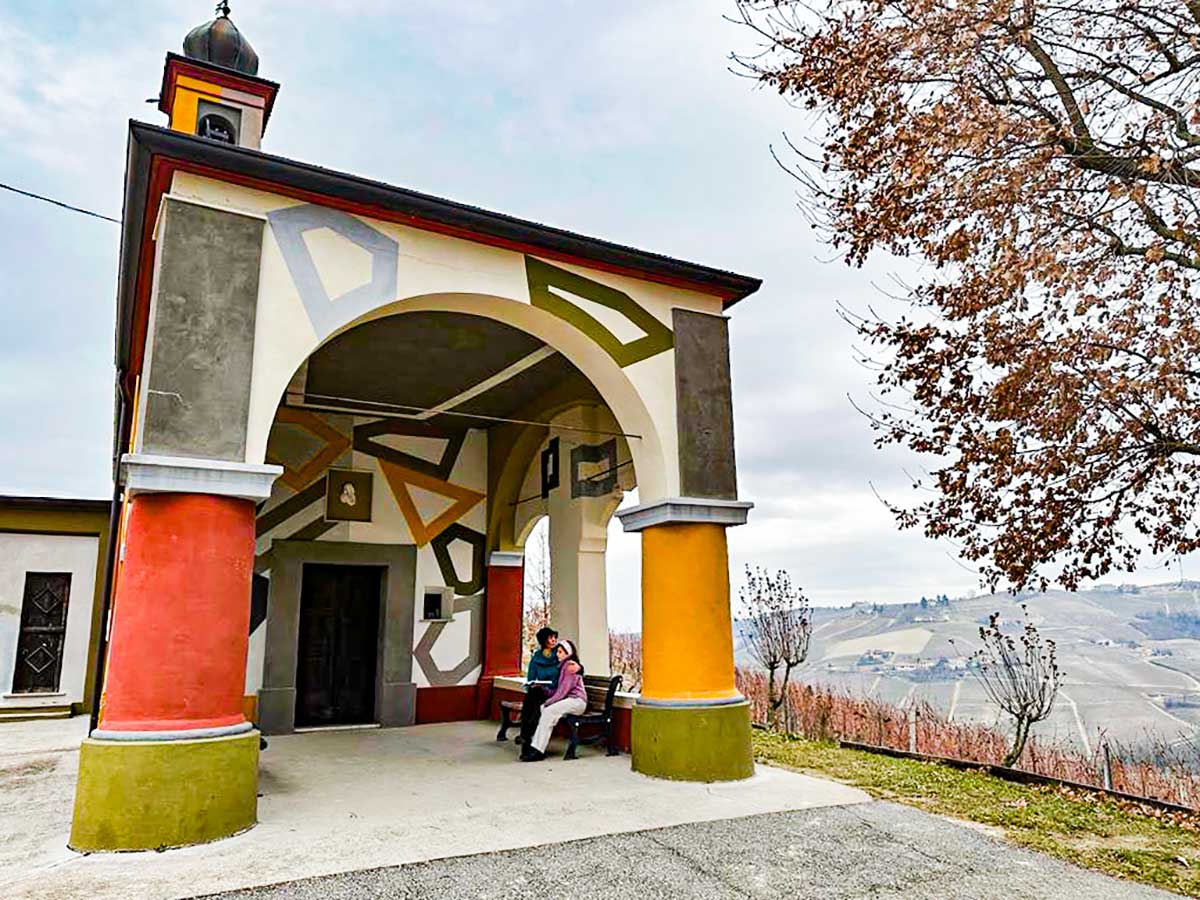
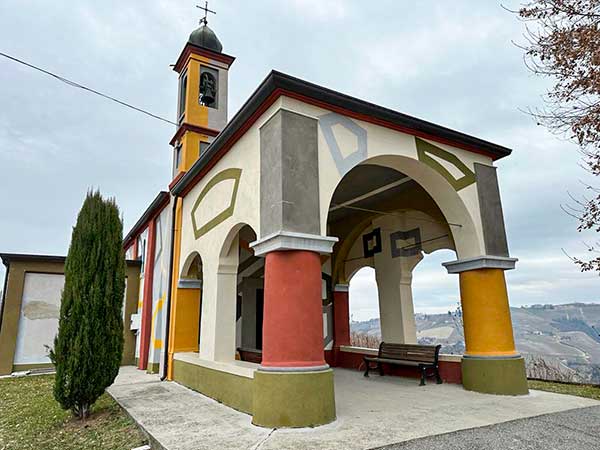
A few meters from the church, you’ll find the “Crayon Vineyard”,(Vigna dei Pastelli) a panoramic vineyard where large colored crayons have replaced the traditional wooden posts at the ends of the rows.
It’s a stop that kids really enjoy because it combines color, nature, and freedom of movement. It’s also very popular with those looking for the perfect social media photo.
Bra and the Toy Museum
With the excuse of buying some of the famous Bra sausage, it’s definitely worth stopping at the Toy Museum, a visit that amazes children and brings adults back to their own childhood.
The museum houses a collection of over one thousand pieces, covering a wide time span: from the late 18th century to the 1970s. The exhibition is organized into thematic areas: early childhood, dolls, school, traditionally “boys’ games,” airplanes, pedal vehicles, theaters, and puppets.
Beyond the charm of often unique objects, the visit is interesting because it shows how toys, and with them, the very concept of play, have changed over time. Today we know how essential play is for children’s cognitive development, but that wasn’t always the case.
It’s also an opportunity to show our children how lucky they are.
nd if they complain too much, you can always jokingly threaten them with the small wooden chair once used to restrain children: educational design in the past didn’t leave much room for imagination.
Visits are always guided and led by a play-guide. On the last Sunday of the month, there is also a theatrical visit, particularly appreciated by families.
Cherasco and the Magic Museum
Let’s admit it: we’ve all wanted to know more about magic and illusionism at some point. Among the things to do in Langhe with kids, a visit to the Magic Museum in Cherasco is a stop that appeals to both adults and children.
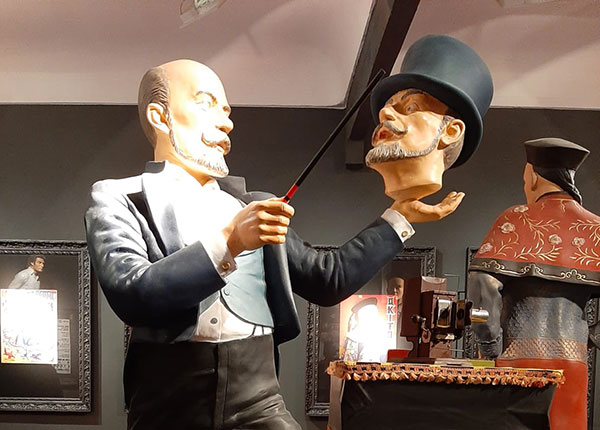
With the perfect excuse of bringing the kids, you can explore what is considered the most important magic museum in Italy. The exhibition traces the history of illusionism, from its origins to the great figures who shaped it.
During the visit, children (and adults as well) are actively involved: following the mascot Hocus Pocus, they discover magicians’ tools, tricks, different forms of magic, and fascinating curiosities.
There is also an internal theater where you can watch real magic shows. On weekends and holidays, magic workshops are organized, specifically designed for younger visitors.
By the time you leave, your kids will most likely be ready to head off to Hogwarts.
Langhe with Kids: Educational Farms
Throughout the Langhe area, many farms have become educational farms in recent years, offering families authentic experiences connected to rural life.
Here, children can observe animals up close, take part in workshops, and experience nature directly. It’s a valuable opportunity to discover a world that is often far removed from everyday urban life, while learning through play.
Alba and its surroundings offer many options. One example is Cascina Gabutti in Monforte d’Alba, where bread-making workshops, egg-related activities, gardening, and fruit tree experiences are organized, along with vineyard tours to discover the winemaker’s work.
Monia guides the whole family in discovering farm life, creating moments of sharing and learning that stay with you over time.
In Mombarcaro, the highest village in the Langhe, you’ll find I Pascoli di Amaltea. Here, Alessandro and Arianna raise goats and sheep and organize guided visits by reservation, including cheese tastings where children learn how cheese is made.
In Baldissero d’Alba, there is also a truly special place: Le Colline di Giuca. Not just a simple educational farm, but an experiential park designed to let visitors experience the Langhe through play.
The park includes 12 outdoor play stations, a mud kitchen, a large sand area, spaces to build huts, a small theater, a rural museum, and many wooden games in the forest.
A fair warning: it won’t be easy to get your kids to leave.
Alba and Serralunga Castle
If you’re visiting the Langhe and looking for what to see in Alba with kids, Serralunga d’Alba Castle is definitely worth a stop.
This 14th-century castle, with its tall and distinctive shape, dominates the village of Serralunga and the surrounding hills, offering one of the most beautiful views in the area.
The visit is always guided and lasts about 45 minutes, which is perfect even for children.
From the third floor, you’ll enjoy a 360-degree view over the Langhe. A practical tip: bring a toy sword or a crown and let your kids turn into knights and princesses inside this medieval castle.
Grinzane and the Visit to Cavour Castle
Among the things to do in the Langhe, staying on the theme of castles, Grinzane Cavour Castle is one of the most iconic in the region.
Inside the castle, you can visit the Langhe Ethnographic Museum, with reconstructions of 17th- and 19th-century kitchens, an 18th-century distillery, and many objects related to local food and wine traditions.
But as the name suggests, what makes this castle truly special is the distinguished figure who lived there in the first half of the 19th century: Camillo Benso Count of Cavour, who was also mayor of Grinzane for several years.
The castle preserves many of his personal items, including his mayoral tricolor sash. On certain dates, it is possible to join a special guided tour led by the “owner” himself: an original and engaging way to introduce young people to the history of the Italian unification.
A history lesson like no other—you don’t get to be hosted by Camillo Benso di Cavour in his home every day.
What to Do in the Langhe: Discovering Hazelnuts
If you’re looking for things to do in the Langhe with kids, these stops work well in every season. This is not only a land of great wines but also the homeland of hazelnuts.
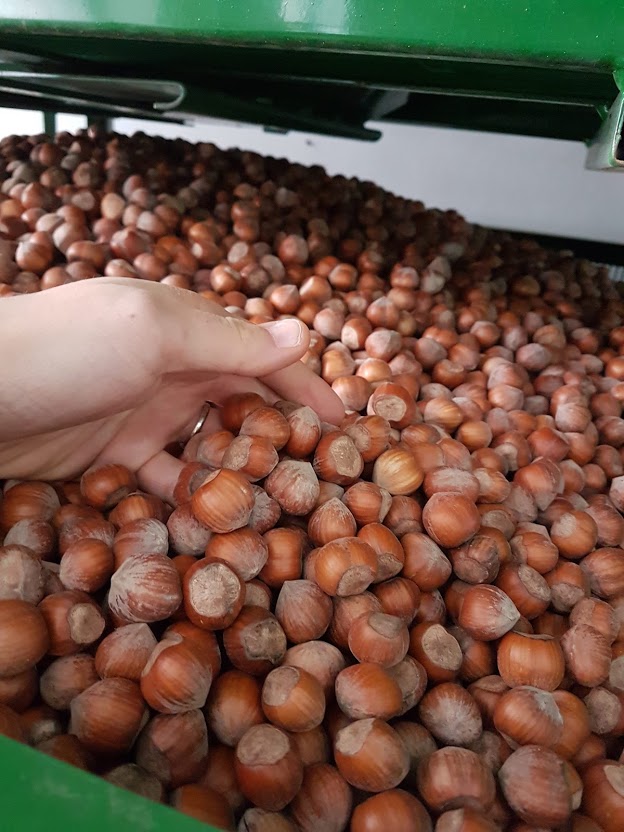
One of Italy’s finest varieties is produced here: the Piedmont IGP hazelnut – Tonda Gentile Trilobata.
It’s no coincidence that Ferrero has its headquarters here. And yes, that includes Nutella.
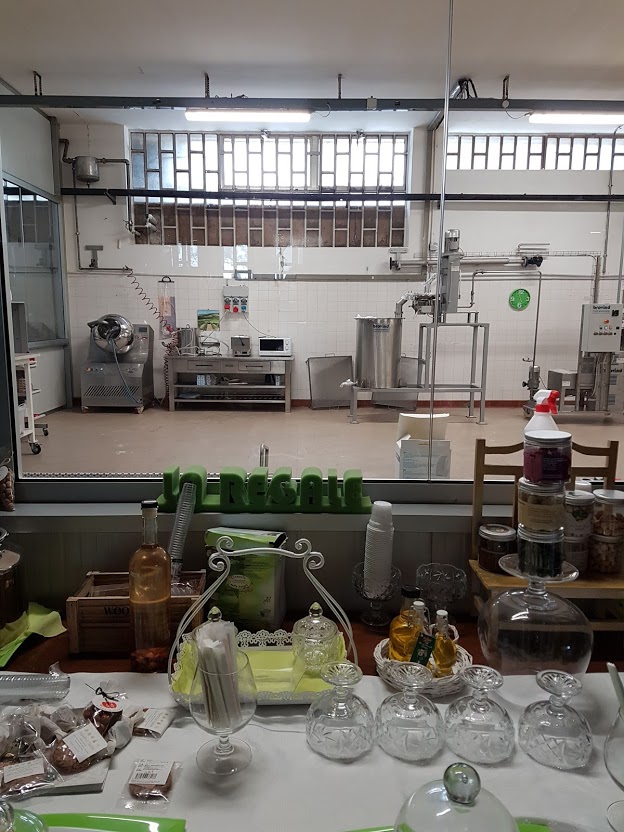
Alongside large industry, there is also a world of small artisanal businesses specializing in hazelnut processing. Walking through the hills, you’ll see many hazelnut groves—so why not discover what happens after harvest?
We took part in a visit to a processing workshop: a walk through the hazelnut grove, an explanation of the production process, and of course, tastings. Hazelnut cream in different versions, caramelized hazelnuts, paste, and hazelnut oil.
It’s a perfect experience for kids, who had a lot of fun and insisted on bringing home plenty of souvenirs.
If you’re wondering what to visit in Alba with kids, also note “Le Nocciole di Alba”: you can visit the factory, taste, and buy products on site.
Visiting wineries in the Langhe with kids
Langhe: what should you see? If you still haven’t found the right answer, a winery visit remains one of the most iconic experiences in the area. But at this point, a natural question arises: are there wineries suitable for children too?
Visiting wineries with kids may sound like an oxymoron. In reality, you just need to choose the right place to turn a tasting into an enjoyable experience for the whole family.
In recent years, some Langhe producers have shown great attention to family-friendly tourism. They understand that today, it’s not just couples or groups of adults visiting wineries, but also families with children.

It’s true: having kids in a winery can be challenging. They get bored, touch everything, and make noise. The result? Parents can’t relax, and the experience loses much of its charm.
To meet this need, the “Cantine dei Bambini” (Children’s Wineries) project was created. It’s a network of producers who have designed dedicated spaces for kids, with games and activities. This way, while parents enjoy the tasting, children can have fun.
We tried this experience ourselves, and we can say without hesitation: it was one of the best winery visits we’ve had while traveling with kids.
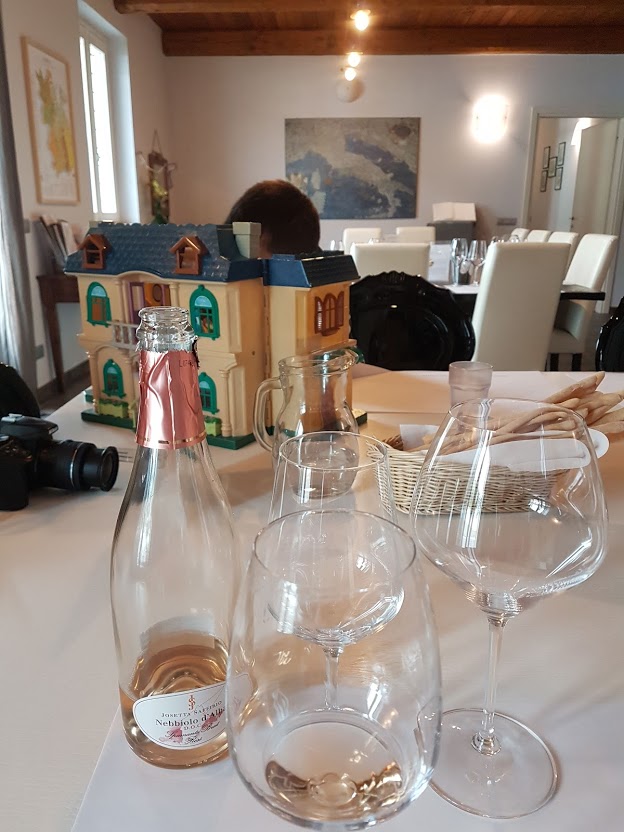
Among the participating wineries, we were recommended Josetta Saffirio Wines in Monforte d’Alba, which is especially suitable for families.
The owner, Sara, is a mom and knows exactly what children need. But there’s one detail that makes the visit truly special: the winery is populated by gnomes.
The gnomes, hand-drawn by the current owner’s mother, appear on the bottle labels and are also hidden among barrels and machinery. Kids love searching for them one by one, while parents can enjoy the tasting in peace.
The result? Happy kids, relaxed parents, and a glass of Barolo that somehow tastes even better.
The Cantine dei Bambini project also organizes “Families in the Wineries,” special tasting days designed specifically for those traveling with children, hosted by participating wineries.
A trip to the Langhe with kids: discovering the Big Benches
They’ve now become one of the most recognizable symbols of the Langhe: the Big Benches, huge colorful benches placed in scenic viewpoints across the region.
These XXL installations are part of the Big Bench Community Project, a nonprofit initiative created by American designer Chris Bangle and his wife Catherine. The goal is to support local communities and promote slow, mindful tourism.
Sitting on a giant bench is a simple yet surprising experience. You suddenly feel small in front of the vast landscape. For kids, it’s pure fun. For adults, it’s an invitation to pause, observe, and take in the view.
The benches are often located in panoramic spots, sometimes slightly off the beaten path. That’s exactly what makes them a great excuse for a nature walk and a fun outdoor outing.
If you want to turn your visit into a real treasure hunt, you can check the updated list on the official Big Bench Community Project website. The number keeps growing, and today you can find these benches not only in Langhe but also in other regions and even abroad.
Family-friendly fairs and festivals in the Langhe
Among the best things to do in the Langhe with kids, fairs and events deserve a special mention. This area hosts some of the most important food and wine festivals in Italy, many of which now include activities designed for children.
- Vinum (Alba, late April to mid-May), dedicated to the great wines of Langhe, Roero, and Monferrato;
- Collisioni (Barolo, June–July), the famous agri-rock festival;
- Cheese (Bra and Pollenzo, September), organized by Slow Food and dedicated to the world of cheese;
- The International Alba White Truffle Fair (October–November).
Over time, many of these events have developed a family-friendly dimension, with spaces and activities designed specifically for kids.
During the Alba Truffle Fair, for example, there’s Alba Truffle Bimbi: a play area for children up to 10–12 years old, featuring creative workshops, natural materials, and dedicated spaces for younger kids, including changing tables and nursing areas.
At Vinum, you’ll find Vinum Bimbi, a space where kids can learn about wine and the territory through play, using handcrafted wooden toys and hands-on activities.
Cheese is also perfect to experience with children. The festival takes place in the streets and squares of Bra and offers meetings, games, and workshops to discover rural life and the journey from milk to cheese (or even gelato).
Finally, there’s Collisioni, the agri-rock festival founded in 2009. It combines music, literature, cinema, and food. On weekends, dedicated spaces for kids include creative workshops, readings, and theater performances, making the event enjoyable for families too.
A visit to Baladin Brewery
Langhe mostly means wine—we’ve established that. But there’s also room for excellent craft beer. Among the things to do in the Langhe with kids, we recommend a pleasant detour from the classic winery tour to Piozzo, home of the famous Baladin Brewery.
Baladin is one of the pioneers of craft beer in Italy. It was founded by Teo Musso, a visionary brewmaster who has grown the brand while maintaining high quality, expanding into hospitality and dining as well.
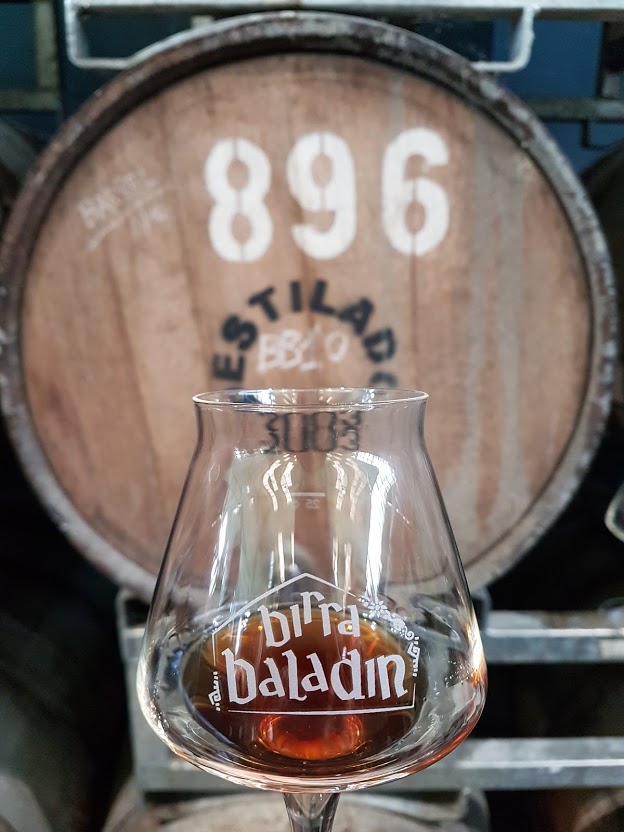
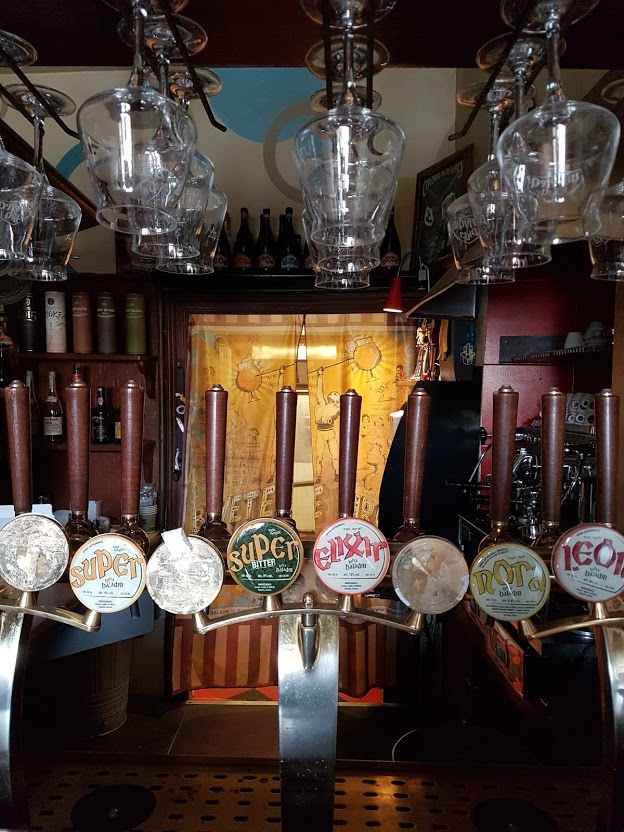
On Sundays, you can join guided tours designed for families. The experience starts in Piozzo’s main square, inside the historic pub (which was also the first production lab), with a slightly circus-like atmosphere where the story of the brewery is told.
Then you move just outside the town to visit the production facility and discover all the stages of beer-making, ending with a tasting. If you wish, you can also stop at the Baladin Open Garden for lunch, in a relaxed and pleasant setting.
We visited with our kids, and they had fun too—even if they still insist on saying “beer maker” instead of “brewmaster.”
Fun fact: in Piozzo, you’ll also find one of the Big Benches—the orange one.
If you visit the area in autumn, be sure to mark your calendar for the Piozzo Pumpkin Festival, which is very popular with families.
What to see in the Langhe with kids: the Bosco dei Pensieri
We close this guide with a slower, more contemplative idea: a walk through the Bosco dei Pensieri, located within the Fontanafredda estate.
Here you’ll find a nature trail divided into 12 stops, each featuring quotes from famous authors and illustrations by German artist Alexandra von Bassewitz.
It’s both a literary and scenic path, designed to help adults and children immerse themselves in the history and landscapes of the Langhe. Along the route, there are benches at every stop, perfect for those who prefer a slower pace.
In spring, the Fondazione Mirafiore organizes literary walks accompanied by writers. Some of these are specifically designed for families and children.
Access to the Bosco dei Pensieri is free. Within the same Fontanafredda estate, there is also a theater that hosts shows for children and families during the winter months.
If you enjoy nature walks, you might also be interested in autumn foliage in Piedmont, as well as Vinadio and the Stura Valley.
Langhe with kids is full of surprises. This region, known for wine and fine dining, reveals itself—when seen from a different perspective—as welcoming, curious, and full of experiences for younger travelers too. Whether it’s a day trip or a slow weekend among hills and villages, it’s a destination that truly works for the whole family.