The Langhe is a hilly region in Piedmont, Northern Italy, famous for vineyards, historic villages, and UNESCO-listed landscapes. In every season, it offers a unique mix of nature, culture, and tradition, making it one of Italy’s most fascinating destinations. If you’re looking for things to do in the Langhe, you’ll find rolling hills, world-class wines, medieval villages, castles, and museums.
Above all, the Langhe invites you to slow down. This is a place to enjoy at a relaxed pace, following the rhythm of the hills, great food, and simple daily beauty. It’s a perfect destination for a trip that blends food, wine, nature, and tradition—also ideal for families.
In this guide, you’ll find the main things to do in the Langhe, including a practical selection of places and experiences, plus 1–3 day itineraries designed for first-time visitors, with special attention to families and those traveling with kids.
Although the Langhe is best known for its wines, it’s also surprisingly suitable for families. We’ve dedicated a separate article to Langhe with kids, but here you’ll find a complete overview of what to see in the Langhe for all types of travelers.
What Are the Langhe and Where Are They Located
The Langhe is a hilly area in southern Piedmont, in northwestern Italy, between the provinces of Cuneo and Asti. It’s famous worldwide for its wines, especially Barolo and Barbaresco, and for a cuisine deeply connected to the land.
Here, we tasted some of the best tajarin with truffle—fresh egg pasta typical of the region, served with local white truffle. Beyond food and wine, the landscapes are breathtaking: vineyard-covered hills, medieval castles, and small villages that feel frozen in time.
Since 2014, the Langhe—together with Roero and Monferrato—has been recognized as a UNESCO World Heritage Site for its unique cultural landscape.
Where to Stay in the Langhe
 If you’re spending at least two days among Piedmont’s wine hills, staying overnight in the Langhe is part of the experience. The villages are close to each other, but the roads are hilly. That’s why choosing the right area to stay in really makes a difference, especially if you’re visiting the Langhe with kids.
In general, the easiest way to explore the Langhe is by car (we’ll cover this better below). It allows you to move freely from one village to another without relying on public transport schedules. It also lets you return आराम after dinner or a wine tasting.
Here are three options we especially like, all suitable for families. If you want to compare more options (hotels, farm stays, and apartments by area), you can find many more ideas in our dedicated guide on where to stay in the Langhe.
1. Villaggio Narrante
Villaggio Narrante, in Serralunga d’Alba, offers two different accommodation options. Both are set in a beautiful landscape of vineyards and rolling hills.
Le Case dei Conti Mirafiore are elegant historic residences, ideal if you’re looking for a refined and scenic stay. La Foresteria delle Vigne, on the other hand, is more intimate and cozy. It’s a perfect choice if you want a fully immersive experience in the Langhe countryside, with a slower pace and complete tranquility.
It’s also a great option for families, with open spaces, nature all around, and activities connected to the local area. At certain times, they even organize grape harvest experiences for families. It’s something kids (and adults) will truly enjoy.
2. Ca’ del Re
Agriturismo Ca’ del Re, in Verduno, is an excellent choice for families looking for peace and green spaces. It’s the kind of place where kids can play outside while you truly slow down.
The kitchen focuses on local products, and the atmosphere feels authentic and relaxed. Verduno is also a convenient base for exploring several Langhe villages. By car, you can easily reach Barolo, La Morra, and Alba in just a few minutes, without changing accommodation every night.
3. Casa Svizzera in Barolo
Casa Svizzera is located in the village of Barolo. It’s a perfect location if you want to stay in one of the most iconic towns in the Langhe and explore wineries, viewpoints, and small historic centers every day.
The property also offers family rooms, with comfortable spaces and services designed for those traveling with kids. It’s a very practical solution if you have limited time and want to wake up already “in the heart” of the Langhe, without long daily drives.
 Finally, here’s a slightly different and “off-the-beaten-path” option: Mondovì and staying at Palazzo Fauzone. It’s not exactly in the Langhe, but it can be an interesting choice if you want to combine the wine hills with a more alternative trip in Piedmont, in a truly scenic setting.
How to Get Around the Langhe
The easiest way to get around the Langhe is by car. The villages are relatively close to one another, but they are scattered across the hills and connected by winding scenic roads. Having a car gives you the freedom to travel at your own pace, stop at panoramic viewpoints, and reach wineries and agriturismi that are often located outside the villages.
The main gateway to the Langhe is Turin, which is well connected to the rest of Italy and international destinations by air and high-speed train. From Turin, it takes around 1 to 1.5 hours by car to reach Alba, Barolo, and the other main towns and villages of the Langhe.
Traveling by car is particularly convenient if you are visiting the Langhe with kids or only have a few days. It gives you more flexibility with your schedule, makes it easier to choose where to stop for lunch or dinner, and allows you to reach smaller villages and countryside restaurants without relying on public transport.
If you enjoy outdoor activities, the Langhe also has cycling routes and quiet country roads that are ideal for exploring by bike, particularly in spring and autumn. Cycling can be a good option if you are staying in a central location and plan to explore one specific area rather than travel across the entire region.
There are also bus connections between the main towns, including Alba and Bra, as well as some of the smaller villages. However, services can be infrequent and buses are not particularly practical for reaching wineries, viewpoints, and more remote countryside locations. If you are visiting from abroad or only have a few days in the Langhe, renting a car remains the easiest and most flexible option.
Things to Do in the Langhe in One Day
If you only have one day to visit the Langhe, the best advice is not to rush. Choose one area or a main village. The Langhe is not a “checklist” destination. Its value lies in its slow pace, rolling landscapes, great food, and the time spent between a village and a winery.
This is a common choice for those visiting Turin for a weekend or a major event (exhibitions, sports, fairs) and deciding to dedicate one day to the wine hills. After seeing Turin in one day, many people rent a car and head to the Langhe for lunch and a scenic walk.
For a well-balanced day, we recommend a simple itinerary that combines wine, landscapes, and culture, without long drives:
- Barolo, one of the symbolic villages of the Langhe
- WiMu – Wine Museum, also suitable for kids
- Cappella di Coazzolo, one of the most unique artistic chapels in the area
This itinerary can easily be done in one day, with short driving distances and enough time for a relaxed lunch or a wine tasting.
If you have very little time or prefer an organized activity, you can join a wine and local product tasting at a Langhe winery.
A great alternative for families is spending the day at Cantina Durando, in nearby Monferrato. It’s a simple outdoor experience, perfect even with children.

If you’re looking for something truly special, one of the most popular experiences in the Langhe is truffle hunting, guided by a trifulau and his dog. It’s authentic and engaging, but it needs to be booked in advance.
What to See in the Langhe in 2 or 3 Days
To truly enjoy the Langhe, we recommend staying at least two nights. Even though distances are short, the area is hilly and deserves to be explored slowly. Staying overnight allows you to fully enjoy villages, views, and food experiences.
With two or three days, you can plan a balanced itinerary, alternating cultural visits, landscapes, and food stops, without spending too much time in the car. It’s also the ideal solution if you’re visiting the Langhe with kids or coming here for the first time.
A very popular activity for kids is visiting a hazelnut processing workshop, where you can learn how creams and chocolate products are made from Piedmont hazelnuts.
Below is a suggested Langhe itinerary (1–3 days) for those arriving by car and wanting to see the highlights without changing accommodation every night.
Day 1: Alba, Grinzane Cavour, Barolo, and La Morra
The first day focuses on the heart of the Langhe. If you have more time and prefer a slower pace, you can split this into two days. If you only have two days total, this still gives you a great overview.
- Alba: start your morning with a walk through the historic center. Spend about 2–3 hours visiting, and if you’re there in the right season, enjoy the Truffle Fair as well. For more details, read our article on what to see in Alba in one day.
- Grinzane Cavour: about a 10-minute drive from Alba. Visit the castle, a UNESCO World Heritage Site, and the museum (1–2 hours).
- Barolo: reachable in about 10 minutes. In the afternoon, you can visit the castle and the Wine Museum or stop at a winery for a tasting (2–3 hours).
- La Morra: end the day in La Morra, just a few minutes from Barolo. From the viewpoint, you can enjoy one of the most beautiful views over the Langhe hills.
Recommended overnight stay: Barolo or La Morra (check availability)
Day 2: Serralunga d’Alba, Monforte d’Alba, Barbaresco, and Neive
- Serralunga d’Alba: head out in the morning toward one of the most characteristic villages in the Langhe. The castle dominates the landscape and can be visited (about 2 hours).
- Monforte d’Alba: about a 10-minute drive away. Walk through the historic center and, if you’re visiting in summer, check out the Horszowski Auditorium (1–2 hours).
- Barbaresco: after lunch, continue to Barbaresco. You can climb the panoramic tower or stop at a winery for a tasting (about 2 hours).
- Neive: end the day in Neive, one of the most beautiful villages in Italy, perfect for a walk through narrow streets and vineyards.
Recommended overnight stay: Neive (search on Booking) or Barbaresco.
Day 3: Santo Stefano Belbo and Cherasco
If you have a third day available, you can extend your itinerary to less touristy but very interesting areas from a cultural point of view.
Santo Stefano Belbo: about 20 minutes from Neive. Visit the birthplace of Cesare Pavese and take a walk through the vineyards (1–2 hours).
Cherasco: about a 40-minute drive away. Spend 2–3 hours exploring the historic center, the walls, and the local shops where you can taste the famous Baci di Cherasco chocolates.
Return: Cherasco or back to Turin
Total days: 2–3 days
Total distance: about 75 km
Recommended stays: Barolo/La Morra – Neive/Barbaresco – Cherasco
This itinerary allows you to see many of the main things to do in the Langhe in two or three days, combining villages, landscapes, and some food experiences, without giving up the slow pace that makes this area of Piedmont so special.
Villages, Castles, and Wineries to See in the Langhe
Let’s now go into more detail about what to see in the Langhe, with a selection of villages, castles, and wineries you shouldn’t miss. The towns in the Langhe are small and very close to each other, but each one has its own identity, a different view, and a strong connection to wine and local history.
Barolo
Barolo is undoubtedly one of the most famous villages in the Langhe and is known worldwide for the wine that bears its name, considered one of Italy’s great reds. The village is compact and easy to explore on foot, with the castle dominating the historic center.
The town is centered around Castello Falletti, home to the Wine Museum (WiMu), where you can discover the history of local winemaking through an interactive experience, suitable for children as well.
A must-do experience is visiting one of the many wineries for a Barolo tasting, combined with a walk through the vineyards surrounding the village.
Where to eat in Barolo
We had lunch at La Cantinella (directions here): fair prices, an excellent wine selection, and well-executed Piedmontese cuisine.
La Morra
Very close to Barolo is the village of La Morra, known above all for its views. From the town’s viewpoint, you get a 360-degree panorama over the Langhe hills, especially stunning on clear days and at sunset.
One experience to try is climbing the Bell Tower, the symbol of the town, to admire the landscape from above. Nearby, you’ll also find the Chapel of SS. Madonna delle Grazie, now known as the Barolo Chapel.


Despite its name, it’s not a consecrated church. It was built in 1914 as a shelter for vineyard workers and was transformed in 1999 into a work of art by artists Sol LeWitt and David Tremlett, becoming one of the most iconic installations in the Langhe.
The chapel cannot be visited inside, but it is located along a public road and is easy to reach. Useful coordinates: 44°37’41.312″N 7°56’41.824″E.
Tip: stop at one of La Morra’s wine bars to enjoy a glass of wine while taking in the view.
Alba and Grinzane Cavour
Alba is considered the capital of the Langhe and is famous for white truffles, the highlight of the International Alba White Truffle Fair held every autumn. Walking through the historic center, you’ll discover medieval towers, ancient churches, and a lively yet elegant atmosphere.

Just a few kilometers from Alba is the Castle of Grinzane Cavour, a UNESCO World Heritage Site that houses the Langhe Museum and the Regional Enoteca of Piedmont.
The castle is linked to Camillo Benso, Count of Cavour, who served as mayor of Grinzane for several years in the first half of the 19th century. Inside, you can find some of his personal items. On certain dates, it’s possible to join engaging guided tours, also suitable for school-age children.
Plan your visit on the official website of the Castle of Grinzane Cavour.
Experience
From Alba, you can also organize a vineyard tour suitable for everyone, including tastings and explanations about the area. Click here
Neive
Neive is one of the most beautiful villages in Italy, with stone houses, cobbled streets, and a historic center that tells centuries of history. It’s elegant and compact, easy to explore on foot, and highly appreciated by those looking for an authentic atmosphere.
Neive is also famous for its wines, especially Barbaresco. During your visit, it’s worth stopping at one of the local wine shops or wineries for a tasting, often accompanied by panoramic vineyard views.
Tip: joining a guided winery tour is a great way to better understand the territory and local wine production, even if you’re not a wine expert.
For just €8, you can take a walking tour of Neive with a local guide (click here).
Serralunga d’Alba
 Serralunga d’Alba is dominated by the imposing Castle of Serralunga, one of the best-preserved castles in the Langhe, offering spectacular views over the surrounding hills. The village has a quiet and authentic atmosphere, ideal if you prefer less crowded places.
A recommended experience is a walk along the trails surrounding the village, through Nebbiolo vineyards and scenic viewpoints, also suitable for older children.
Barbaresco
 Barbaresco, like Barolo, is synonymous with excellent wine. The village is small but very charming and is centered around the Tower of Barbaresco, from which you can enjoy one of the best views over the vineyards and Langhe hills.
Tip: visit one of the historic wineries in the village for a Barbaresco tasting, combined with a short walk through the vineyards.
Santo Stefano Belbo
Santo Stefano Belbo is linked to Italian literature, as it is the birthplace of Cesare Pavese. The village has a calm and relaxed atmosphere, ideal for a more cultural stop within a village itinerary.
Tip: visit Cesare Pavese’s birthplace, now a museum, and then enjoy a walk through the vineyards that inspired many of his works.
Monforte d’Alba
Monforte d’Alba is a charming medieval village, with a historic center that develops around the main square, surrounded by historic buildings and traditional restaurants. It’s a pleasant stop even for a short visit.
The village is known for the Horszowski Auditorium, a natural amphitheater set within the Langhe landscape, where concerts and outdoor performances are held in summer.
Cherasco
Cherasco is famous for its ancient walls and numerous historic buildings, including palaces, towers, and churches. The center is elegant and flat, making it suitable even for visits with children.
The village is also known for Baci di Cherasco, hazelnut-based chocolates. Stopping at a historic pastry shop is almost a must. With kids, a very popular stop is the Magic Museum of Cherasco.
The Big Benches
If you like the Big Benches (the Big Bench Project by Chris Bangle), the Langhe is the perfect place. The project actually started here. Sitting on these oversized benches lets you admire the landscape from a fun and unusual perspective, especially appreciated by children.
Tip: visit the Big Bench in La Morra at sunset, known as the “bench of serenity” (directions here).
Not Just Wine, but Also Beer in the Langhe
In this article, we’ve talked a lot about Langhe wine, but not everyone knows that this area is also interesting for craft beer. Among the things to do in the Langhe, especially if you’re traveling with family or looking for something different from wineries, it’s worth taking a day to explore beyond the classic wine itinerary.
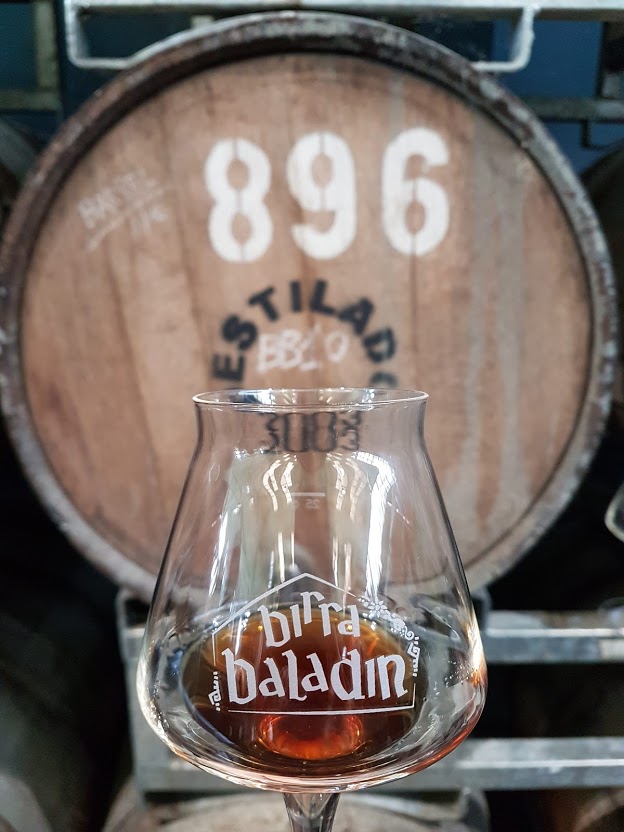
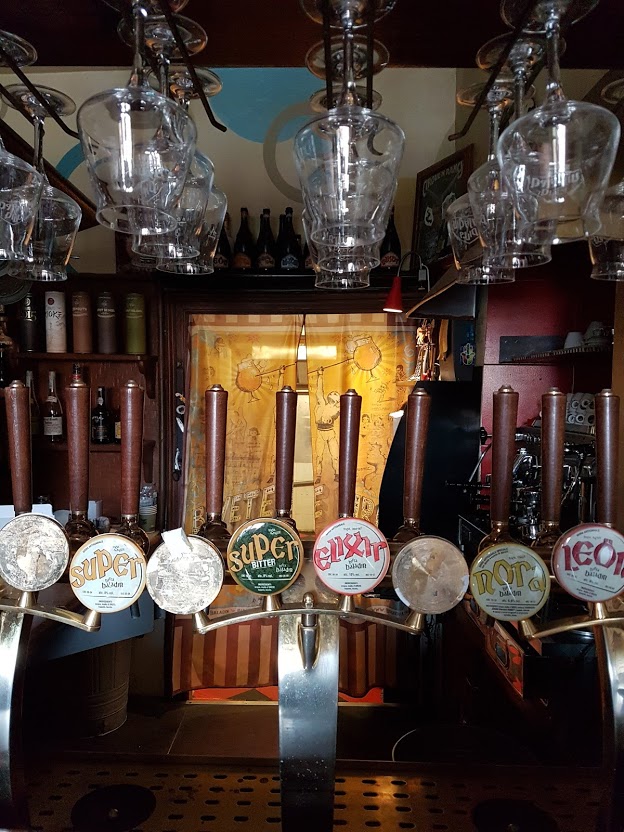
In Piozzo, a small village not far from the most famous hills, you’ll find Baladin Brewery, a true Italian excellence. Founded by Teo Musso, one of the pioneers of craft beer in Italy, Baladin is now a reference point not only for beer production but also for its innovative and cultural approach.
Over the years, the brewery has maintained high quality while expanding its offer with spaces dedicated to food and hospitality, making the visit interesting even for those who are not beer experts.
A Sunday at Baladin Brewery
On Sundays, you can join guided tours that allow you to discover the history of Baladin Brewery and the craft beer production process. The tour starts in the main square of Piozzo, where you are welcomed into the characteristic historic pub, which originally served as the first workshop.
This venue, with its unique atmosphere and circus-inspired design, is the perfect starting point to discover one of the most interesting realities in the Italian beer scene, in an informal setting that is also suitable for those traveling with children.
Best Time to Visit the Langhe in Piedmont
Spring (April–June)
Spring is one of the best times to explore the Langhe. The hills fill with vibrant colors and the vineyards begin to bloom. Temperatures are mild and pleasant, ideal for walks through villages, light hiking, and outdoor activities like cycling.
It’s also less crowded than autumn, making it perfect if you want to explore the Langhe at a relaxed pace and enjoy the landscapes without too many people.
Summer (July–August)
Summer in the Langhe can be hot, especially during the middle of the day, but it’s also the season of festivals, local fairs, and events. It’s a good choice if you enjoy experiencing villages in the evening, with outdoor dinners and lively atmospheres.
Keep in mind that some days can be very (very!) hot, especially in small towns. In summer, it’s best to plan visits in the morning or late afternoon.

Fall (September–November)
It may sound obvious, but fall is probably the best time to visit the Langhe, especially if you love wine and autumn landscapes. This is harvest season, and the region comes alive with events related to grape picking and wine production.
The hills turn golden and red, creating spectacular scenery. Between October and November, the International Alba White Truffle Fair also takes place, one of the most important food events in Italy, highly appreciated by international visitors.
Winter (December–March)
Winter is the quietest season in the Langhe, with fewer tourists and a more intimate atmosphere. During the Christmas period, villages are decorated with lights and markets, making the visit particularly charming.
It’s a great time if you’re looking for a more intimate experience and want to focus on local cuisine, with traditional trattorias and restaurants. However, keep in mind that some wineries and attractions may have reduced hours or be closed.
In conclusion, the best time to visit the Langhe depends on your preferences, but in our opinion, fall remains the highlight for fully experiencing this region. If you travel during this season, you can also combine your trip with a day in Turin. You can find events in Turin, especially useful if you’re visiting with children.
To plan your trip, you can also check out our guide to hotels and agriturismos in the Langhe.