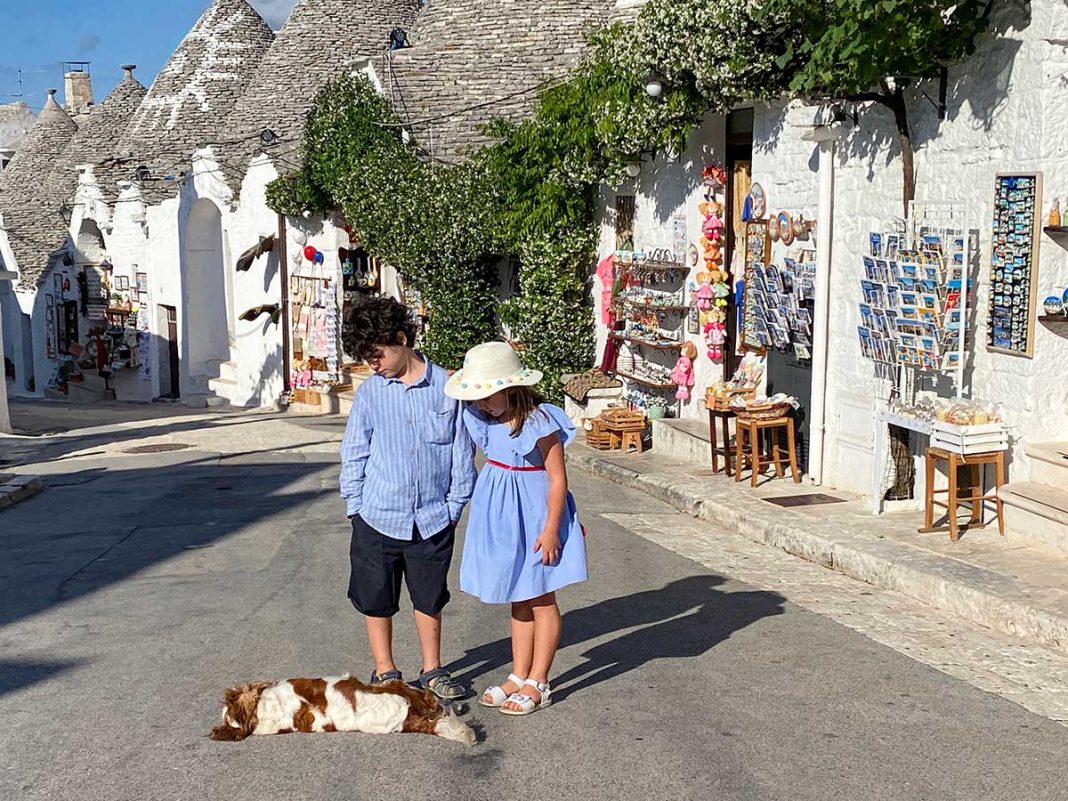
We are parents and we are travelers. We believe our children are citizens of the world, but our world begins with Italy with kids. This is a country we know intimately, live in every day, and continue to explore with a traveler’s curiosity. We discover it as tourists, traverse it as travelers, and experience it in our daily lives. That’s why we can help families from around the world discover Italy from a parent’s perspective.
Planning a trip to Italy with kids is about more than just picking a destination. It’s about finding the right pace, balancing cities and nature, knowing when to take the train and when to rent a car, and choosing truly family-friendly hotels or apartments.
We’ve organized our experience to help you understand when to visit, which regions to choose based on your children’s ages, and how to build a smooth, family-friendly itinerary.
Why Italy is Perfect for a Family Trip
Traveling to Italy with children is often easier than you might imagine. Cities are designed to be explored on foot, the food works perfectly for kids and welcoming families is simply part of everyday life.
Simple Food Children Love
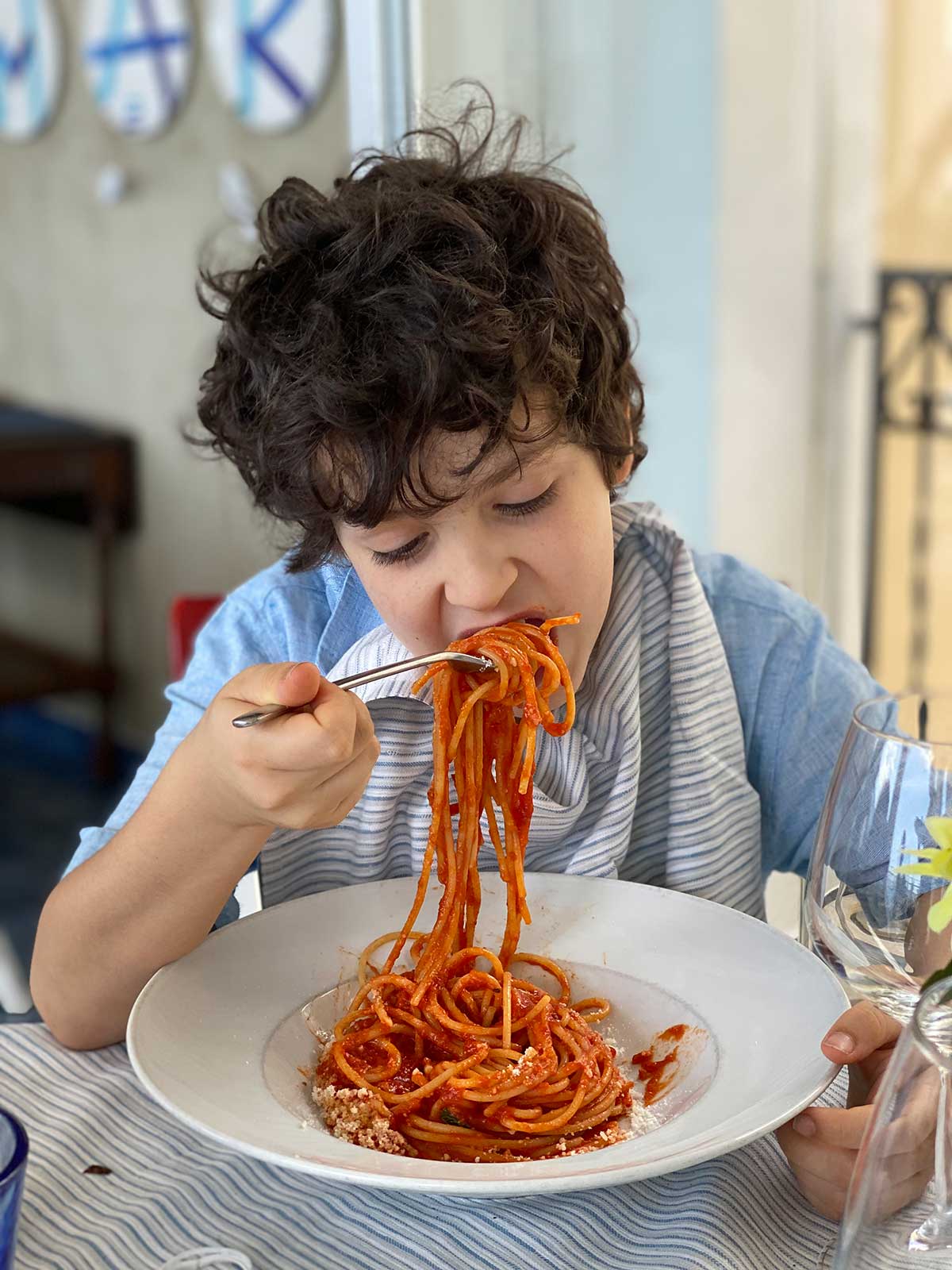
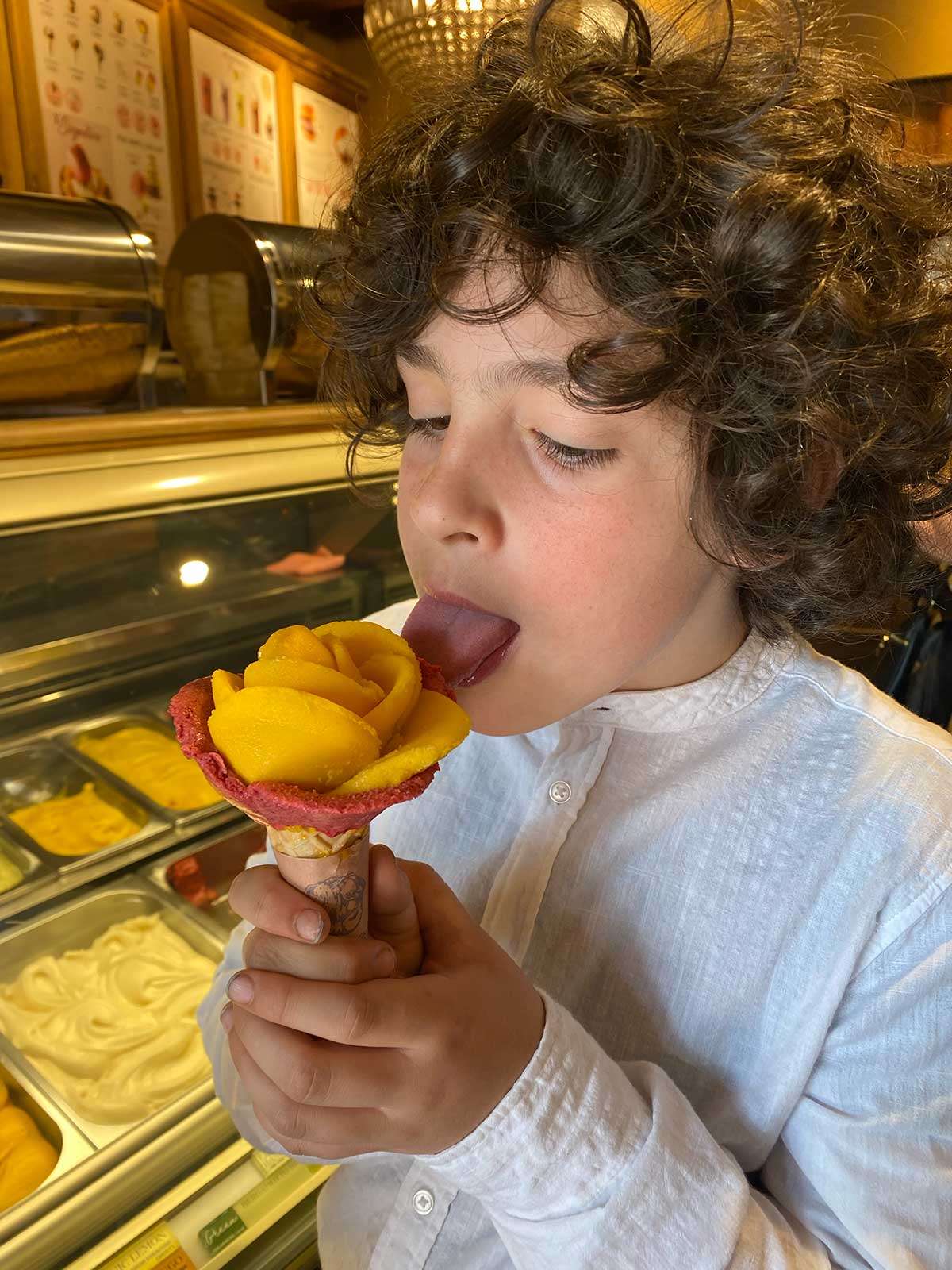
In Italy, food is your best ally. Pizza, pasta, and gelato are everywhere, even in the smallest villages, and they always work for kids. Children are welcome in restaurants, where you will find high chairs, simple portions, and staff are used to families. Eating out becomes part of the fun, not a source of stress.
History and Museums That Engage the Whole Family
Italy is an open-air museum. Every city offers castles, amphitheaters, churches, and legends that naturally spark children’s curiosity.
When needed, family-friendly tours make even major museums accessible. Think treasure hunts, kid-focused audio guides, workshops, and interactive paths designed specifically for children.
Read about the best museums in Italy for kids.
Parks, Piazzas, and Space to Play
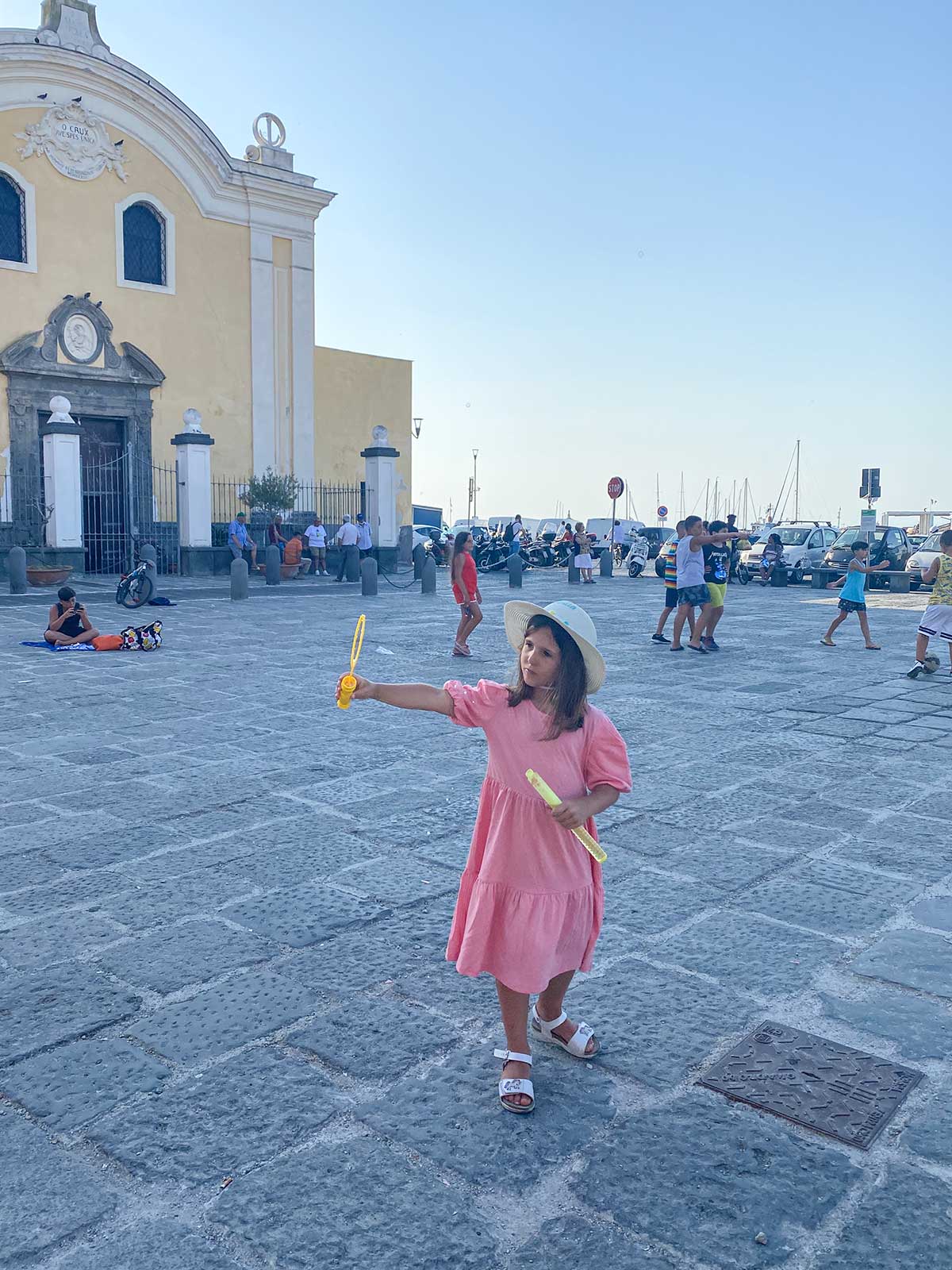
Many Italian cities, shaped during medieval and Renaissance times, revolve around a central piazza. These pedestrian squares often include a church, a fountain, and a café. They are perfect places for children to run and play.
Between visits, parks and gardens are essential. They allow families to slow down, enjoy a snack, and recharge.
Transportation in Italy with Kids
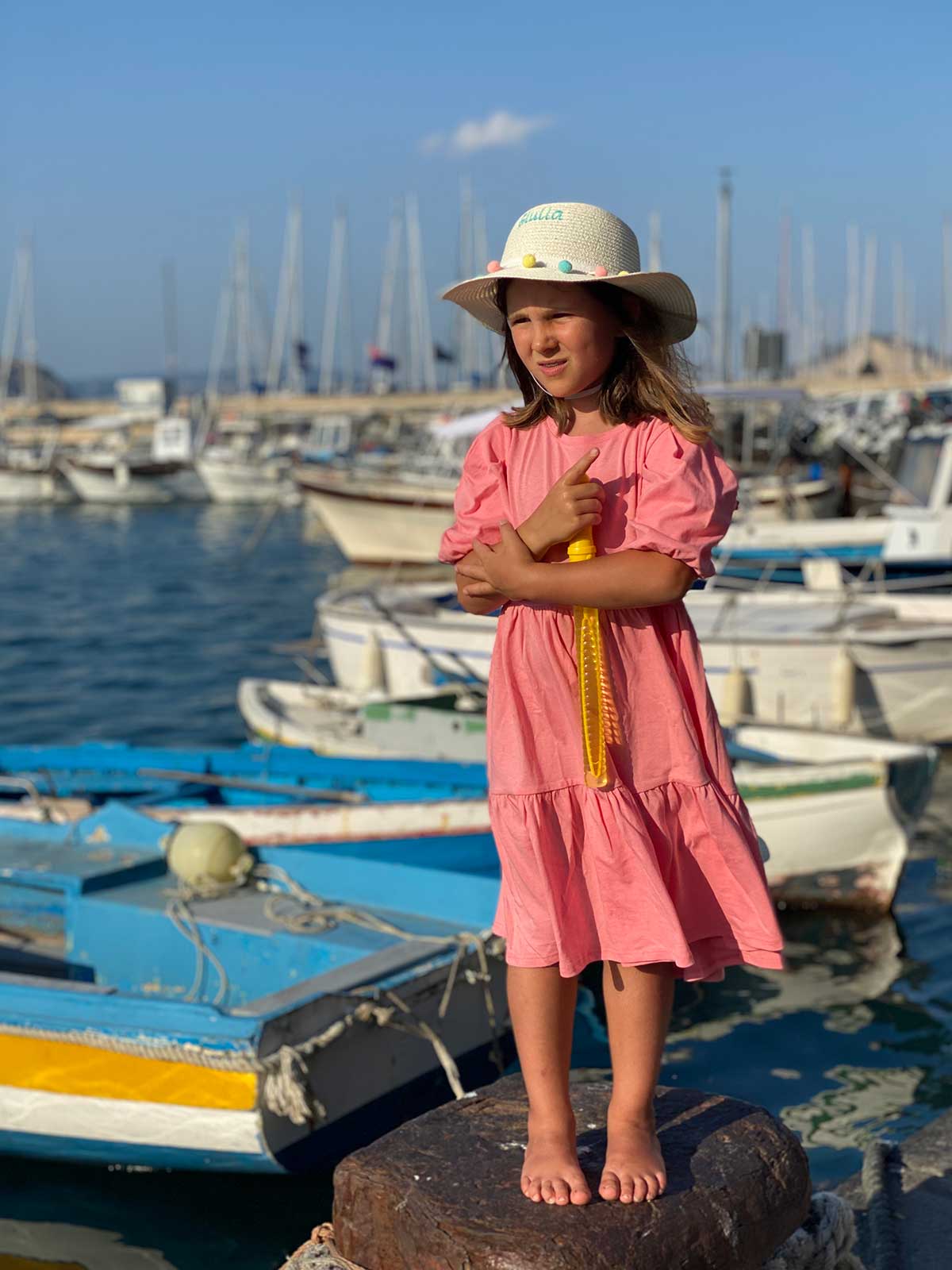
In Italy, getting around is part of the adventure. High-speed trains, ferries, cable cars, lake boats, and island connections turn travel days into memorable experiences.
Kids love watching the landscape from a train window, riding boats in Venice, or taking a cable car over Lake Garda or the Dolomites. In major cities and on main tourist routes, public transportation is often more convenient than driving.
Trenitalia
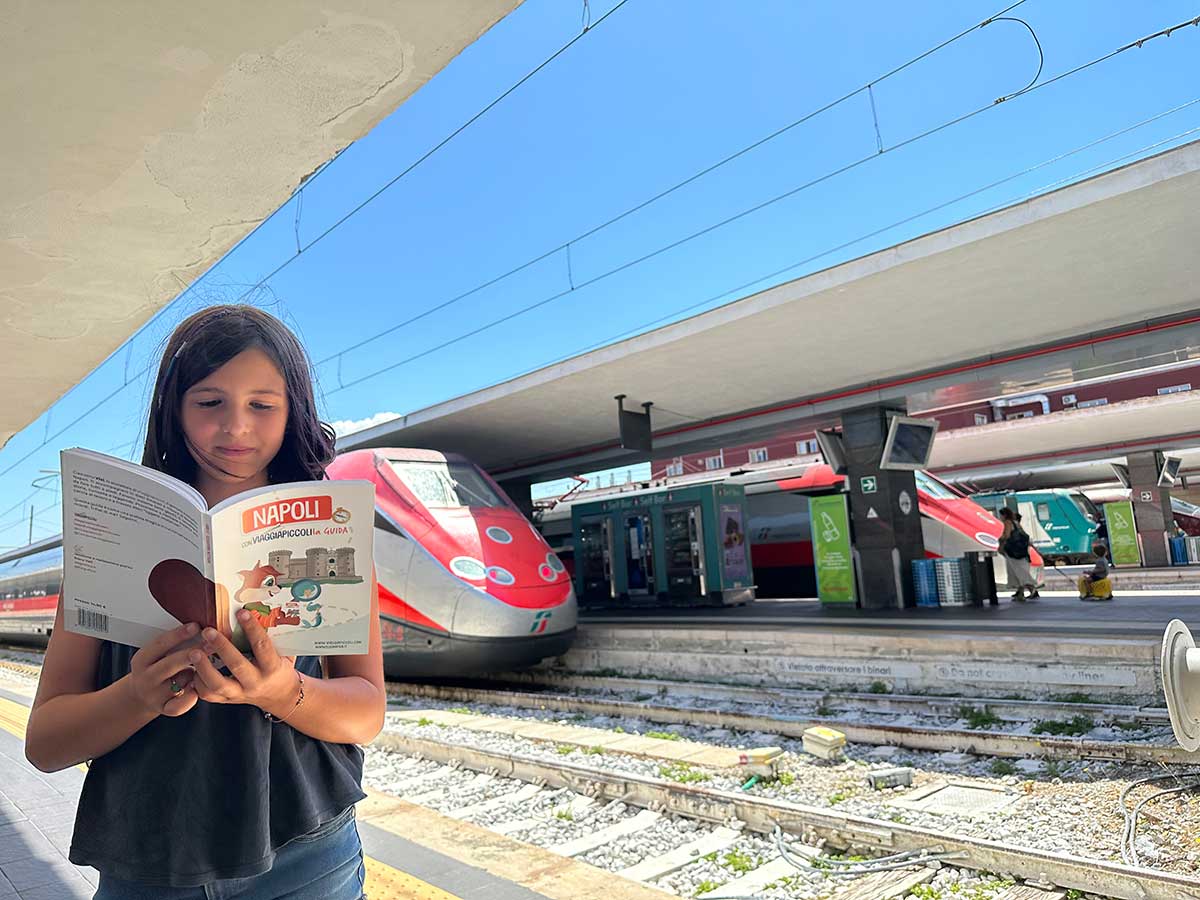 On Trenitalia trains, children under 4 travel free (without their own seat). Kids aged 4 to 15 receive a 50% discount on Base fares for Frecce and Intercity trains. On regional trains, the 50% discount applies from ages 4 to 12. There are also family promotions such as “Bimbi Gratis” and “Family Night.”
- Info: here
Italo
On Italo trains, children up to 36 months travel free if seated on a parent’s lap. With the Italo Famiglia offer, children up to 14 travel free and adults receive a 50% discount. There is also a youth offer for travelers up to 29 years old.
- Info: here
City Buses and Metro
In many Italian cities, children travel free or at reduced fares on buses and metro systems. Rules vary by city, so always check the local transport website.
A Natural Welcome for Families
Italy is a country that truly welcomes children. It’s common to meet a friendly “Italian mom” figure—warm, attentive, and ready to help. No one is surprised if kids ask questions, stop to look at a shop window, or touch everything.
Families feel at home here. That’s what makes Italy ideal: the freedom to travel with children without feeling out of place.
When to visit Italy with Kids
 Deciding when to visit is one of the most important steps in planning a relaxed trip. Every season has advantages and small challenges. Italy changes from north to south, and understanding seasonal rhythms helps you create a balanced itinerary.
Where to Go in Italy with Kids
Italy offers art cities, seaside villages, mountains, lakes, and islands—a mosaic of landscapes perfect for families. Below you’ll find some of the best destinations for Italy with Kids, selected from direct experience and real family needs.
Rome with Kids
Rome amazes children at every corner: the Colosseum, gladiators, the parks around Villa Borghese, fountains, castles, and gelato everywhere. The pace can feel intense, but alternating history with playtime makes it manageable.
Kids love: Colosseum, Castel Sant’Angelo, Villa Borghese, fountains, pizza, and gelato.
Plan your trip with our guide: What to see in Rome with kids.
Florence and Tuscany with Kids
Florence is an open-air museum. With children, it works best when experienced lightly: workshops, interactive museums, gardens, and short walks. Tuscany adds rolling hills, peaceful villages, agriturismos with pools, and wide open spaces.
Kids love: art workshops, gelato, gardens, countryside views, and swimming pools. Read the Florence Guide for kids.
Venice with Kids
Venice is a continuous adventure. Vaporetto rides, bridges, narrow alleys, and colorful islands like Burano and Murano captivate kids. With frequent breaks and short routes, Venice becomes magical for the whole family.
Kids love: Vaporetto rides, islands, masks, gondolas, the colors of Burano. Read the Venice Guide for kids.
Naples and the Amalfi Coast with Kids
Naples is pure energy. Seafront castles, mysterious underground tunnels, funiculars, pizza, and views of Mount Vesuvius make it unforgettable. It’s authentic, lively, and surprisingly family-friendly. From Naples, you can easily reach Pompeii, Procida, Capri, and the Amalfi Coast.
Kids love: Castel dell’Ovo, funiculars, pizza, the volcano, boat trips. Find itineraries and tips in our guide: What to see in Naples with kids.
Turin with Kids
Turin is one of Italy’s most family-friendly cities. The Egyptian Museum and the National Cinema Museum are outstanding. Large parks, historic cafés, and a relaxed rhythm make it ideal.
Kids love: museums, Mole Antonelliana, parks, and chocolate.
Plan your trip with our tips on What to see in Turin with kids.
Bologna and Emilia-Romagna with Kids
Bologna is famous for its food and welcoming atmosphere: porticos, piazzas, family museums, and an easy-to-navigate historic center. Emilia-Romagna is ideal for kids, thanks to its theme parks, equipped beaches, and excellent cuisine.
Kids love: Lasagna, porticos, interactive museums, theme parks. Find all the info in our guide: What to see in Bologna with kids.
Sicily with Kids
Sicily captivates with warm seas, extraordinary food, volcanoes, ancient temples, and history-rich cities. Hospitality is a core strength here; children are welcomed everywhere. It is a perfect destination to balance beach time with culture.
Kids love: Mount Etna, beaches, arancini, temples, boats.
To organize your trip, read: How to plan a holiday in Sicily with kids, Western Sicily with kids, Palermo with kids, and Catania with kids.
Trentino and the Dolomites with Kids
Trentino is one of the most family-friendly regions in Italy. Bike paths, accessible mountains, alpine playgrounds, swimmable lakes, and family-focused hotels make it ideal. Cool air in summer, snow fun in winter.
Kids love: cable cars, alpine huts, mountain playgrounds, snow, and lakes.
Lake Garda with Kids
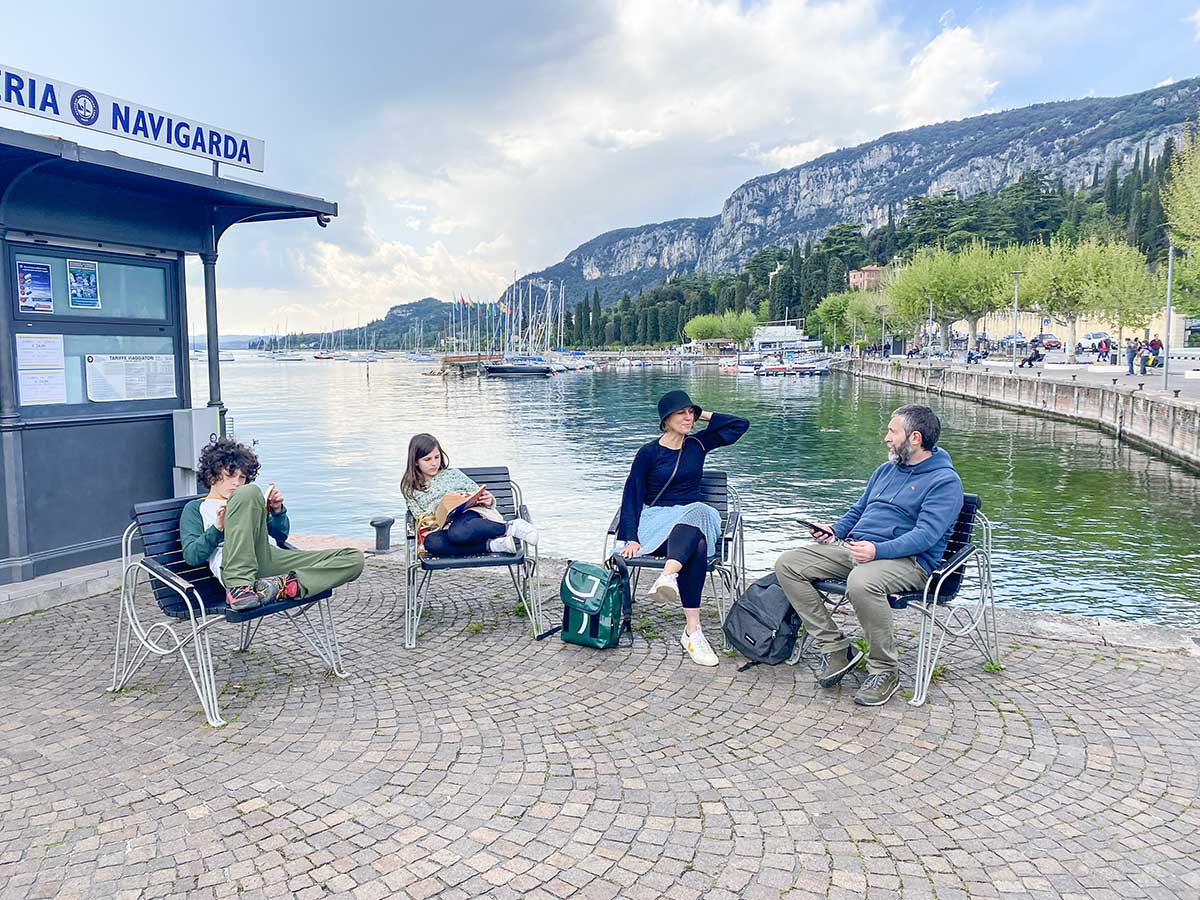 Lake Garda is perfect for families: beaches, playgrounds, bike paths, quiet villages, and Gardaland, one of Italy’s most beloved theme parks. It is a versatile destination, easy to experience and full of activities.
Kids love: Boats, beaches, Gardaland, gelato, water games. Read: What to do in Lake Garda with kids and The Parks of Lake Garda.
Cinque Terre with Kids
The Cinque Terre is a fascinating destination for families if experienced at the right pace. Small, colorful villages overlooking the sea immediately captivate kids. The best way to visit with kids is by train or boat, avoiding the car, and alternating short walks with beach time. It works well for families who enjoy slow travel.
Kids love: Trains between villages, boats, pebble beaches, colorful houses, focaccia, and gelato. Plan your trip with our guide to the Cinque Terre with kids.
Italy with Kids by Age
Every stage of childhood comes with different needs. With thoughtful planning, Italy with Kids by Age becomes manageable from infancy to the teen years.
Italy with a Baby (0–1 years)
Traveling in Italy with a newborn is often simpler than it seems. Very young children follow their parents’ lead and don’t need complex activities. The key is choosing quiet, easy-to-navigate places.
Where to go: Lake Garda, Lake Como, Trentino (quiet areas), rural Tuscany, cities like Turin and Bologna.
Why it works: Short walks, relaxing landscapes, welcoming restaurants, convenient services.
Italy with a Toddler (1–4 years)
This is a demanding but fun phase. Toddlers need movement, parks, easy beaches, and unstructured days. Cities work if you alternate sightseeing with playtime.
Where to go: Liguria, Lake Garda, Tuscany, Trentino, Emilia-Romagna.
Why it works: Shallow beaches, playgrounds, easy walks, quiet villages.
Italy with Children (5–10 years)
This is the ideal age to explore Italy. Curiosity is high, and they are ready to discover museums, castles, volcanoes, and art cities.
- Where to go: Rome, Florence, Venice, Naples, Sicily, Trentino, Lake Garda.
- Why it works: Interactive museums, kid-friendly tours, castles, theme parks.
Italy with Pre-teens (10–12 years)
At this age, children are more independent and ready for “grown-up” experiences. Destinations offering a mix of art, nature, and sports work best.
- Where to go: Rome, Venice, Florence, Liguria, Dolomites, Sicily.
- Why it works: Boat trips, snorkeling, easy trekking, creative workshops.
Italy with Teenagers (13–18 years)
With teenagers, the secret is combining dynamic activities with free time, including their passions: sports, photography, the sea, modern museums, and great food.
- Where to go: Dolomites, Sicily, Rome, Florence, Bologna, Naples, Lake Garda.
- Why it works: Hiking, cycling routes, water sports, street food, vibrant cities.
How to Build the Right Italy Itinerary with Kids
The right itinerary depends on your children’s ages, your family’s energy, the season, and how often you have visited Italy. Here are some baseline ideas for 7, 10, and 14 days.
7 Days in Italy with Kids
With just one week, it is better to focus on one area to limit travel time.
Option 1: Rome and surroundings
- 3–4 days in Rome: Colosseum, Vatican, Villa Borghese, fountains and squares.
- 1 “light” day: parks, gelato and picnic.
- 1–2 days of day trips: Ostia Antica, Tivoli, Castelli Romani or the beach.
Option 2: Rome and Florence
- 4 days in Rome
3 days in Florence with a short excursion in the surrounding area
Practical Tip: With small children, stick to one base or at most two cities that are well connected by train.
10 Days in Italy with Kids
In 10 days, you can build a classic itinerary combining multiple cities.
Option 1: Rome, Florence and Venice
- 4 days in Rome
- 3 days in Florence (with excursion in Tuscany)
- 3 days in Venice, including Murano and Burano.
Option 2: Rome, Florence, and Naples
- 4 days in Rome.
- 3 days in Florence.
- 3 days in Naples, including Pompeii, Procida, or the Amalfi Coast.
Practical Tip: High-speed trains are ideal for these routes—fast, comfortable, and fun for kids.
14 Days in Italy with Kids
Two weeks allow for a relaxed rhythm alternating art, nature, and the sea or mountains.
Option 1: Northern Italy
- 3–4 days in Venice.
- 3 days in Florence and Tuscany.
- 3–4 days at Lake Garda.
- 2–3 days in Trentino or the Dolomites.
Option 2: Classic North-South
- 4 days in Rome.
- 3 days in Florence.
- 3 days in Venice.
- 3–4 days in Naples or Sicily.
Practical Tip: Balance intense sightseeing days with “light” days at parks, pools, or beaches.
Getting Around Italy with Kids
Traveling around Italy with children is manageable thanks to short distances and efficient transport.
Traveling by Train in Italy with Kids
Traveling by train is one of the easiest and most convenient ways to travel between cities in Italy. High-speed trains connect Rome, Florence, Venice, Naples, and Bologna quickly and comfortably.
Ideal for: Large cities and families wanting to avoid traffic.
Advantages: Fast, frequent, room for kids to move, no driving stress.
Renting a Car in Italy with kids
A car is essential for exploring rural areas, villages, or mountains not served by trains. It’s flexible, but attention is needed in cities and historic centers.
Ideal for: Tuscany, Puglia, Sicily, Dolomites, Lake Garda.
Compare multiple companies in one search
Choose compact or family-sized cars
Check car seats and insurance in advance
Pick up at the airport or train station
Booking in advance, especially during high season, helps you find more choices and better prices.
Rent a Car Here
Practical tips:
Avoid driving in historic centers (ZTL – Limited Traffic Zones)
Book parking in advance
Opt for compact cars for narrow Italian streets
Traveling by Ferry, Boat, and Vaporetto
For children, traveling on water is always an adventure. Ferries and boats are frequent between islands, on northern lakes, and in Venice.
Ideal for: Venice, Amalfi Coast, Procida, Capri, Sicily, Lake Garda
Why kids love it: Short crossings, scenic water views, and the thrill of travel
Getting Around Italian Cities with Kids
Italian cities are generally easy to visit with children if you adapt your pace. Many historic centers are pedestrianized, and main attractions are close together.
Rome: buses and metro for longer distances; cobblestone historic center
Florence: compact and mostly walkable
Venice: vaporetto is the main transport; watch for bridges and stairs
Turin and Bologna: very stroller-friendly, with arcades and wide squares
Naples: metro and funiculars are very useful; flat seafront
Strollers, Baby Carriers, and Luggage
Every family travels differently. In Italy, both options work: lightweight strollers in cities, baby carriers in villages, hills, and natural paths.
Useful tips:
- Choose compact strollers with sturdy wheels
- Use baby carriers in old historic centers
- Avoid large suitcases in places without elevators
Where to Stay in Italy with Kids
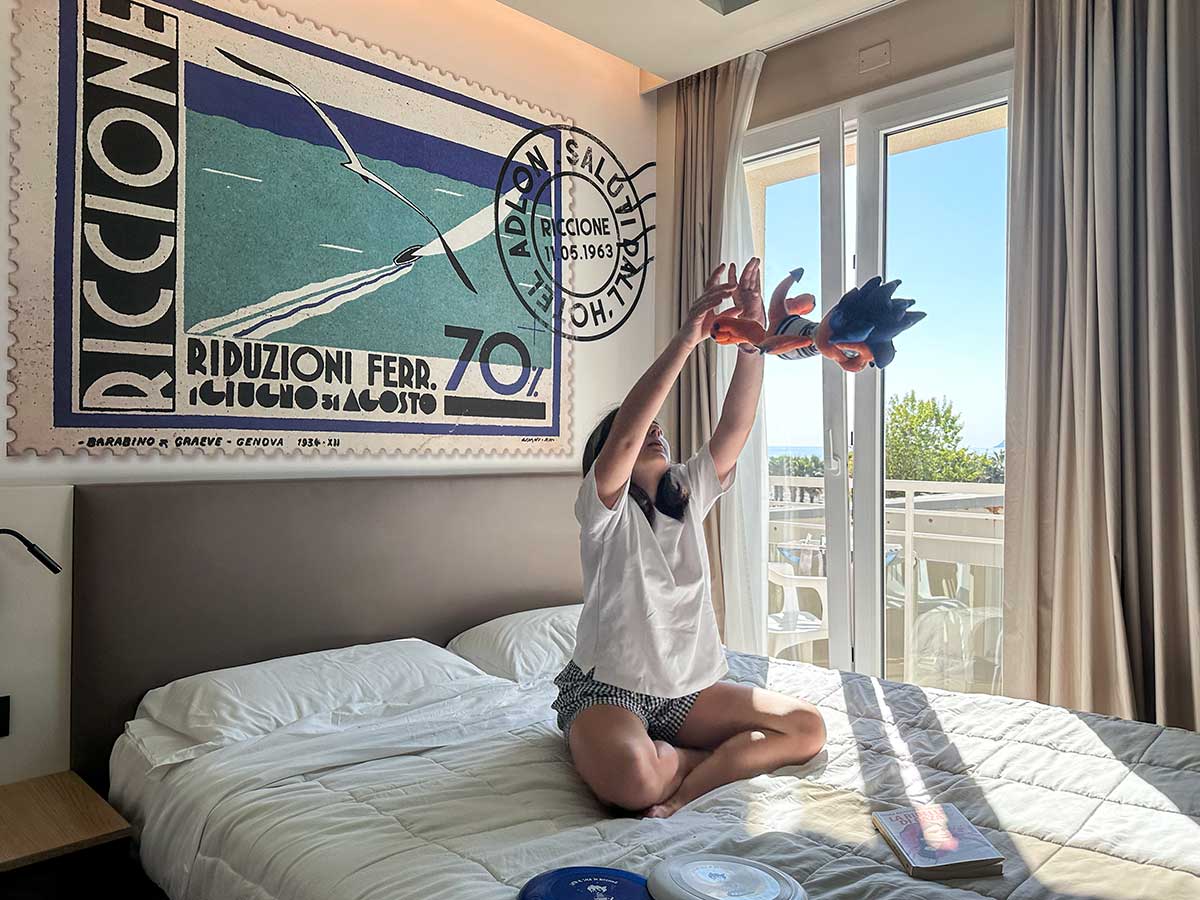 Choosing the right accommodation is key when traveling Italy with Kids. The right place makes days lighter, evening returns simpler, and rest truly refreshing. Italy offers many family-friendly options: hotels, apartments, agriturismos, campsites, and residences.
Family-Friendly Hotels
Hotels are convenient for families seeking comfort, breakfast included, and services on-site. Some offer family rooms, cribs, high chairs, and small play areas.
Advantages:
- Breakfast included, less logistical stress
- Reception available for info and support
- Often central or convenient for transport
Pro Tip: Book early in high season, especially in major cities and seaside areas.
Apartments and Vacation Homes
Apartments are ideal for more space, kitchens, and flexible schedules. They allow you to manage children’s meals calmly and have separate living and sleeping areas.
Advantages:
- Kitchen for simple meals or warming baby food
- More space to play and relax
- Greater privacy and flexible schedules
Book Your Apartment here
Agriturismi and Countryside Stays
Agriturismos are one of the best ways to experience Italy with children: nature, pools, animals, open spaces, and a slower pace. Perfect for alternating city visits and relaxation days.
Ideal for: Tuscany, Umbria, Piedmont, Trentino, hills near art cities
Why families love them: nature, local food, quiet, safe outdoor play
Family Campsites and Villages
Many areas, especially by the sea and lakes, offer family-focused campsites and villages: bungalows, mobile homes, pools, slides, kids’ clubs, and direct beach or lake access.
Ideal for: Lake Garda, Adriatic coast, Sicily, coastal Tuscany
Advantages: informal atmosphere, many children, outdoor living facilities
Choosing Areas in Major Cities
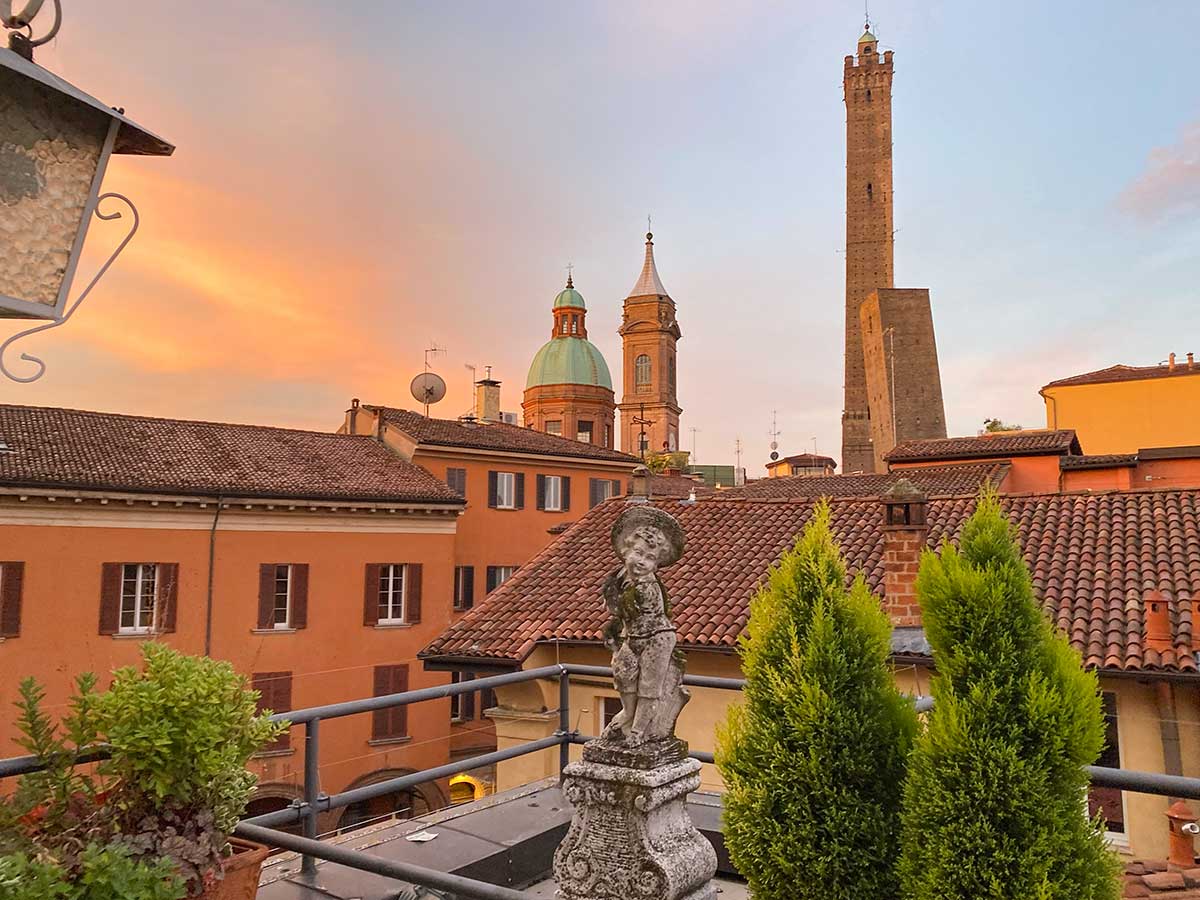
Besides accommodation type, choosing the right neighborhood is essential with children:
Rome: Prati and areas near metro and parks (e.g., Villa Borghese)
Florence: compact center; walking distance to Duomo and Ponte Vecchio
Venice: Santa Croce, San Polo, Dorsoduro—often less crowded than San Marco
Naples: seafront and Chiaia; in historic center, choose proximity to metro
Turin and Bologna: historic center or nearby neighborhoods, easy to navigate on foot
A good base is the first step to enjoying Italy with Kids without stress.
Practical Tips for Traveling in Italy with Kids
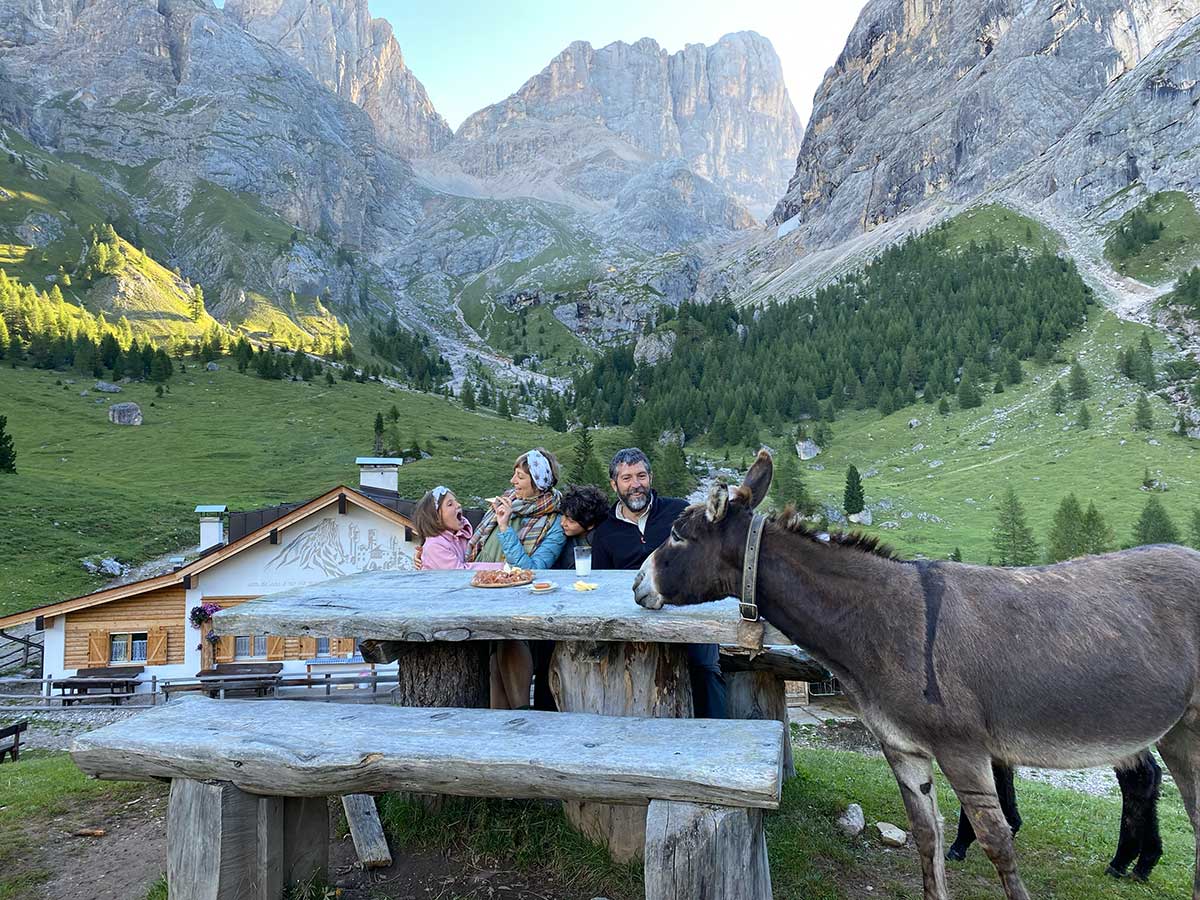
Traveling in Italy with children is easy, but small precautions make everything smoother.
Mealtimes and Restaurants
Lunch is around 1:00 pm; dinner from 7:30 pm in the north, later in the south. Afternoon snacks help prevent hunger between meals.
Restaurants are usually welcoming for families: high chairs, simple meals, or small menu variations are common.
Safety and Health
Italy is safe for families. Pharmacies are easy to find with a green cross sign, and staff often speak English.
In case of emergency: The number is 112, active throughout Europe.
Travel Insurance
For families arriving in Italy from outside Europe, travel insurance is a sensible choice. The Italian healthcare system is good, but for non-EU citizens, medical expenses are not always covered, and even small mishaps can become expensive. A travel policy can include medical assistance, emergencies, and coverage for cancellations or delays.
If you are not an Italian citizen or resident, having travel insurance is wise. We use and recommend Heymondo, with policies designed for families and assistance for unexpected travel events.
Discover Heymondo travel insurance for Italy
Cultural Differences to Know
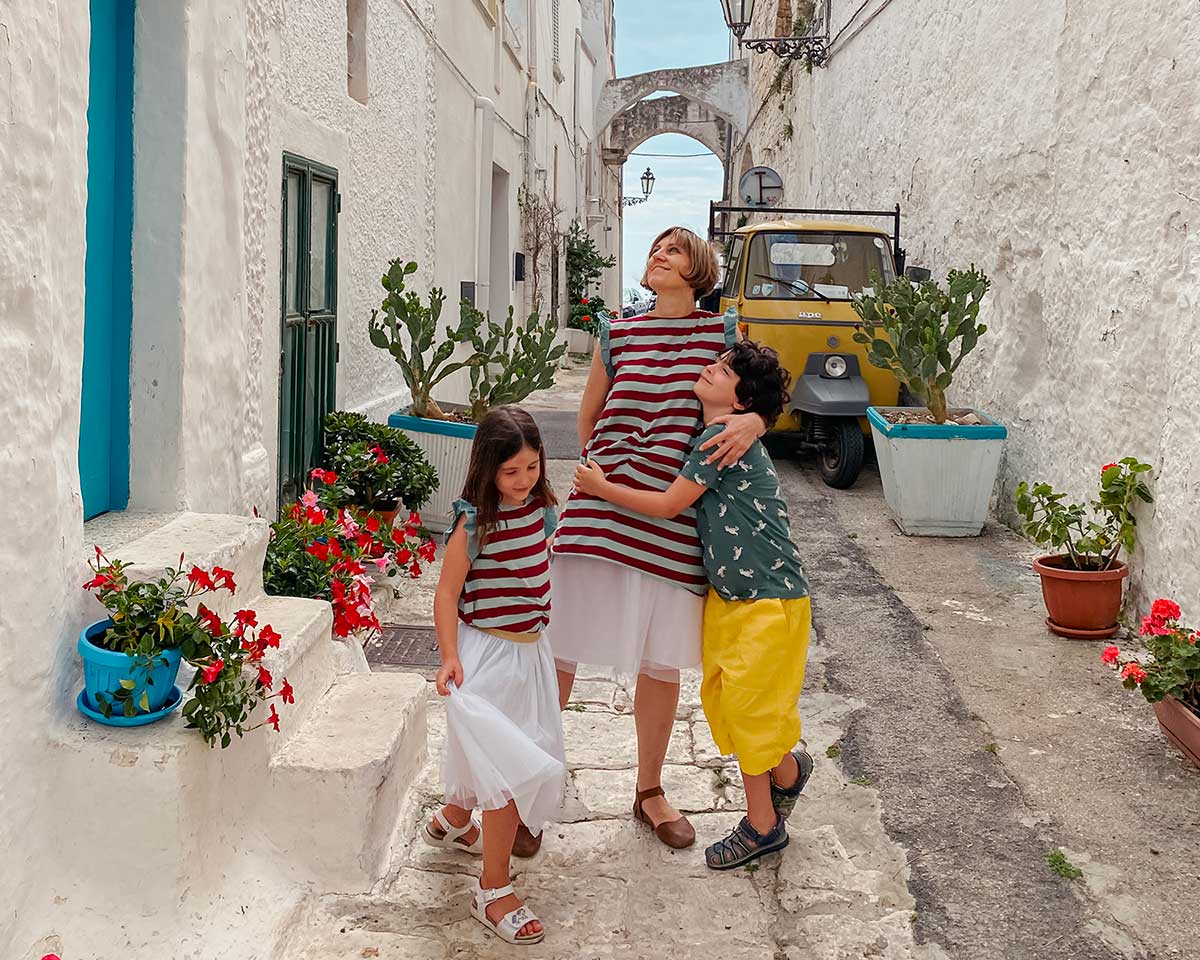 We Italians love children and often interact spontaneously with them—words, jokes, or affectionate gestures are common in squares and restaurants.
Advice: If you’re comfortable, embrace this natural hospitality; many situations become easier thanks to the warmth of the people.
Managing the Summer Heat in Cities
In summer, Italian cities can be very hot, especially in July and August.
Useful tips:
- Start sightseeing early in the morning
- Carry reusable water bottles
- Prioritize routes with porticos or shaded areas
Public drinking fountains are very common in Italy. The water is potable (unless otherwise indicated), and you can refill your bottle during walks. Searching for them can become a game to encourage kids to drink. Every city calls them something different:
In Rome, they are called nasoni (big noses), small cast-iron fountains active day and night.
In Turin, they are called toret, featuring a bull’s head, the city’s symbol.
In Milan, they are known as vedovelle (little widows), green and elegant.
Leave Room for the Unexpected
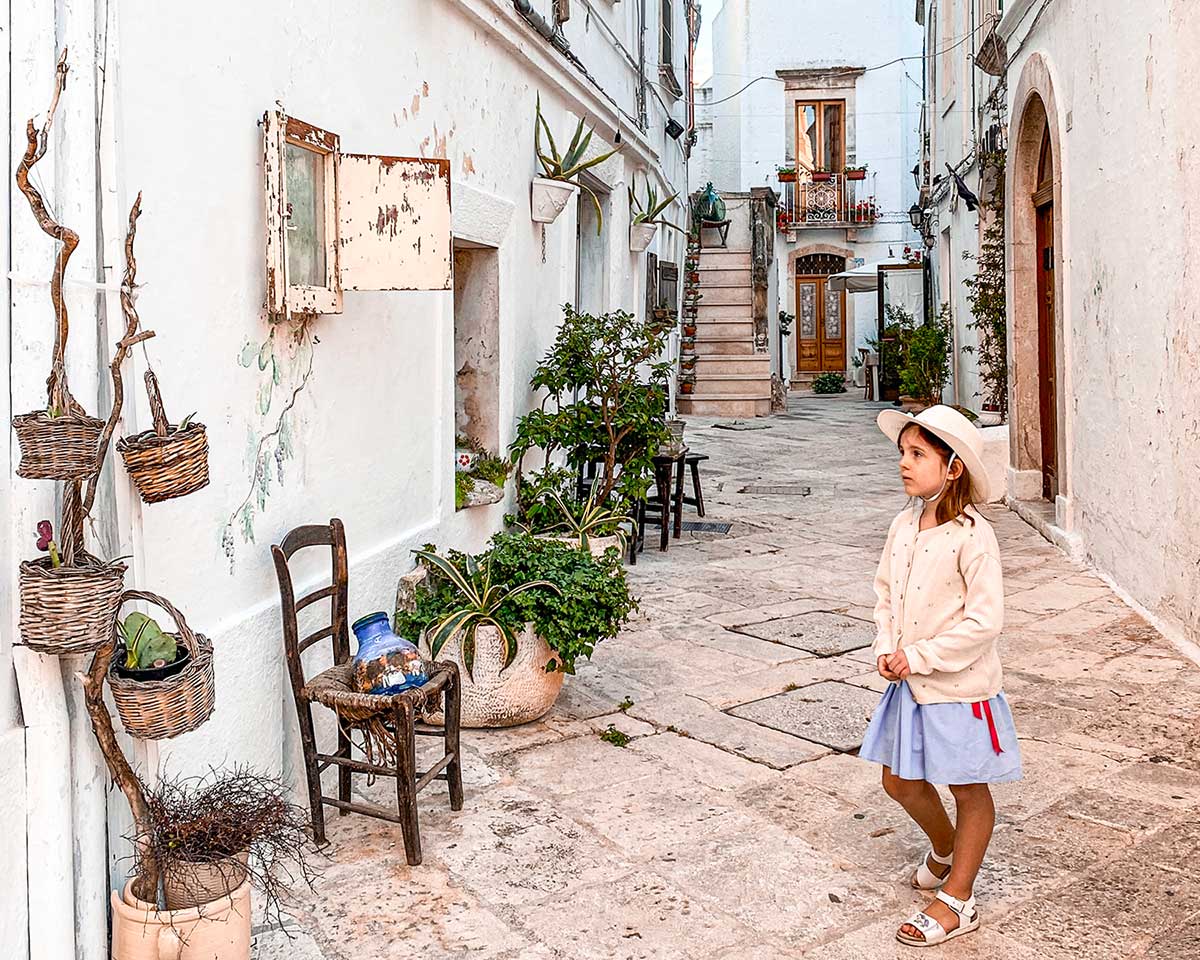 Don’t try to see everything. Italy with kids works best when you grant yourself the luxury of slowing down and leaving room for the unexpected. The most beautiful discoveries often happen this way.
Safe travels! If you’re starting to plan, save this guide to your favorites: we update it often and use it ourselves as a base to build brand-new itineraries.